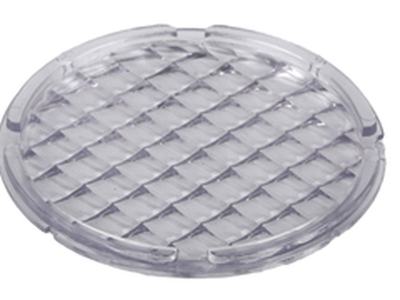
 Custom POM Injection Molding Part
Product Details
Welcome to Dongguan Bosi Hardware Electronic Co., Ltd. official website!
- Scan for Mobile Store

Mold manufacturing, Mold dies

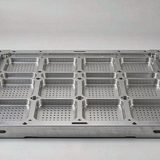
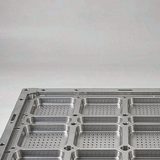
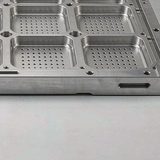
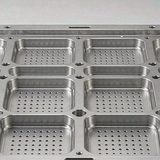

Price¥850.00
MOQ1 setStock:0 set
 Company Card
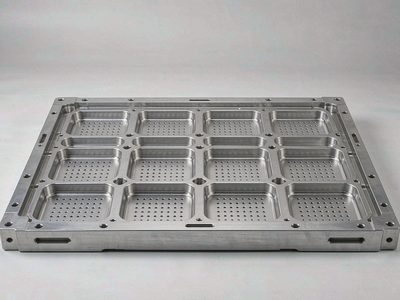
As a thermoforming mold maker, we build the vacuum forming tools that turn plastic sheet into trays, blisters, clamshells and lined crates. Buyers usually meet thermoforming for the first time on the packaging side, but the same tooling logic covers automotive liner trays, medical blister packs and point-of-sale displays. This page explains what a thermoforming mould actually contains, how aluminium and steel tool bodies differ, and the specification sheet you should request before ordering vacuum forming tools. If you are comparing tool sources, our plastic mould tools catalogue covers related mould categories, and this guide on how to verify a Chinese plastic factory sets out the checks worth running before a tool deposit is paid.
A vacuum forming tool is not one block of metal. It is an assembly, and each element is a separate cost and quality line on the quotation:
6061 aluminium is the default for short and medium runs. It machines roughly three times faster than steel, so tooling cost and lead time stay low, and it conducts heat well enough for packaging cycles. The trade-off is wear: aluminium tools show erosion at deep-draw corners after a few hundred thousand hits. P20 or 718H steel bodies cost more up front but hold edges and vacuum slots far longer, which matters when the tool runs every day on a high-speed form-fill-seal line.
Vacuum forming tools sit in a wide cost band because the drivers are transparent: cavity count, machining hours, material choice and trim complexity. Ask for the quotation split by body, cooling and fixture - a single-cavity aluminium packaging tool is a fast job, while a twelve-cavity steel tool with matched trim fixtures is a project in its own right. When you shortlist suppliers, the verified company directory lists toolmakers alongside adjacent mould categories, which makes side-by-side requests easier.
WeChat Support
Mobile Store
