Product Details
Welcome to Yu Yao Yurui Mould Factory official website!
- Scan for Mobile Store

Mold manufacturing, Mold dies

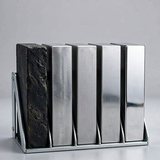
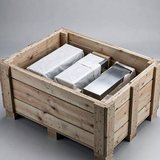

Price¥3200.00
MOQ1 setStock:0 set
 Company Card
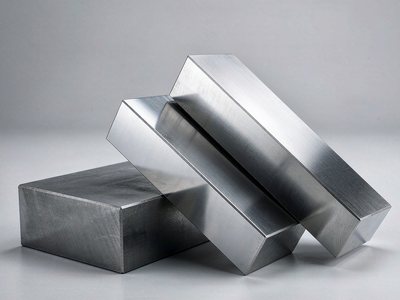
Injection mold steel selection is the single decision that fixes a tool's working life, its polishing ceiling and its repair cost. Buyers who compare quotes on cavity count alone often discover the difference six months later: one tool runs a million shots without visible wear, the other starts flashing at the parting line after 150,000. The gap is rarely the machining. It is the steel grade chosen for the cavity, the core and the slider inserts, and whether that grade matches the resin, the filler content and the annual volume.
Mold steel is priced by the kilogram, but it is consumed by the shot. A pre-hardened grade that costs 30 percent more per kilogram may deliver three times the tool life on an abrasive glass-filled resin, which spreads the cost across a far larger production run. The useful comparison is cost per thousand shots, not cost per block.
Three properties drive that number:
Pre-hardened to roughly 30–34 HRC, P20 machines quickly and takes a good polish. It suits unfilled PP, PE, ABS and PS parts at moderate volumes. It is the default for large housing tools and for prototypes that must convert to production without a second steel purchase.
A modified P20 with higher hardness, typically 33–38 HRC, and better homogeneity through the block. It holds up noticeably better under glass-filled PA, PBT and POM, and it accepts nitriding or chrome plating when wear is concentrated at gates and cores.
A stainless grade supplied annealed and hardened after machining to about 48–52 HRC. It resists the acidic attack of PVC and flame-retardant resins, and it polishes to a mirror finish for lenses, light guides and cosmetic parts.
A quotation that only names a cavity count is not comparable. Ask for the grade of the cavity, the core, the slider inserts and the gate insert separately, plus the required hardness range and whether any surface treatment is included. For a second opinion on how the tool will run, review the custom injection molding services available on this platform and compare tool-building capacity before committing. If the part is a precision gear or a wear-critical component, the steel call should be made together with the molding partner, not before — see how this works in practice in our note on plastic gear molding.
Finally, confirm that the chosen grade is actually stocked by the tool shop you appoint. A specification that forces a four-week steel import can quietly add a month to a schedule that was quoted at 35 working days. Verified mold makers and suppliers will normally state their standard stocked grades up front.
WeChat Support
Mobile Store
