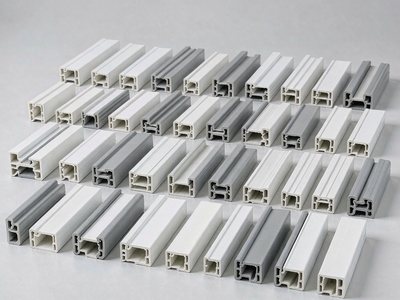
 Co-Extruded Dual Color and Soft-H
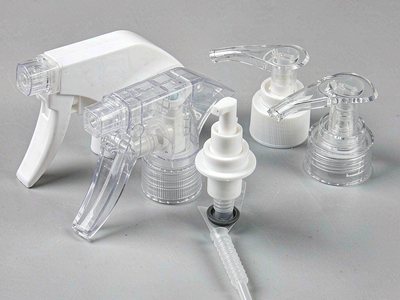 Trigger Sprayer and Lotion Pump F
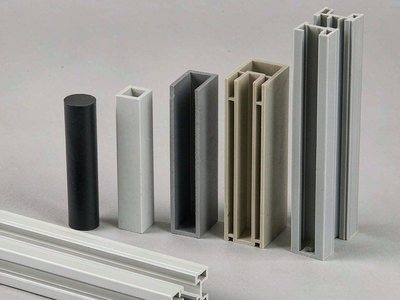 Custom Plastic Extrusion Profiles
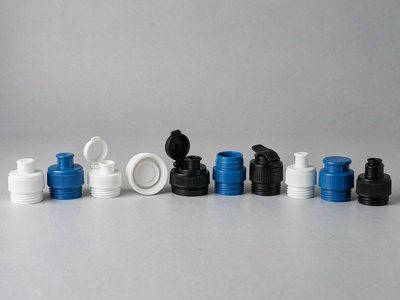 Custom Neck Finish Closure Toolin
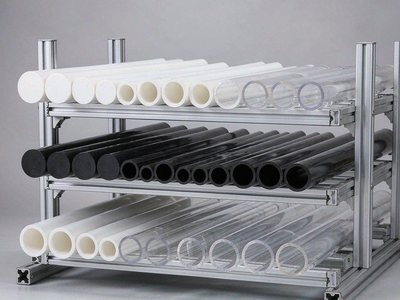 Plastic Rod and Tube Cut to Lengt
Product Details
Welcome to Taizhou ClosureTech Packaging Co., Ltd. official website!
- Scan for Mobile Store

High-cavity closure molding, liner insertion, extrusion



Price¥0.07
MOQ50000 pieceStock:0 piece
 Company Card
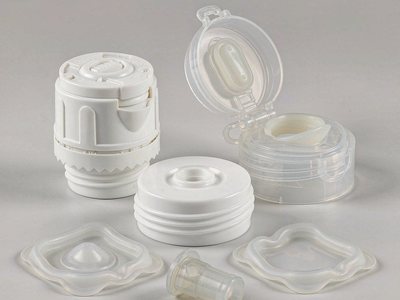
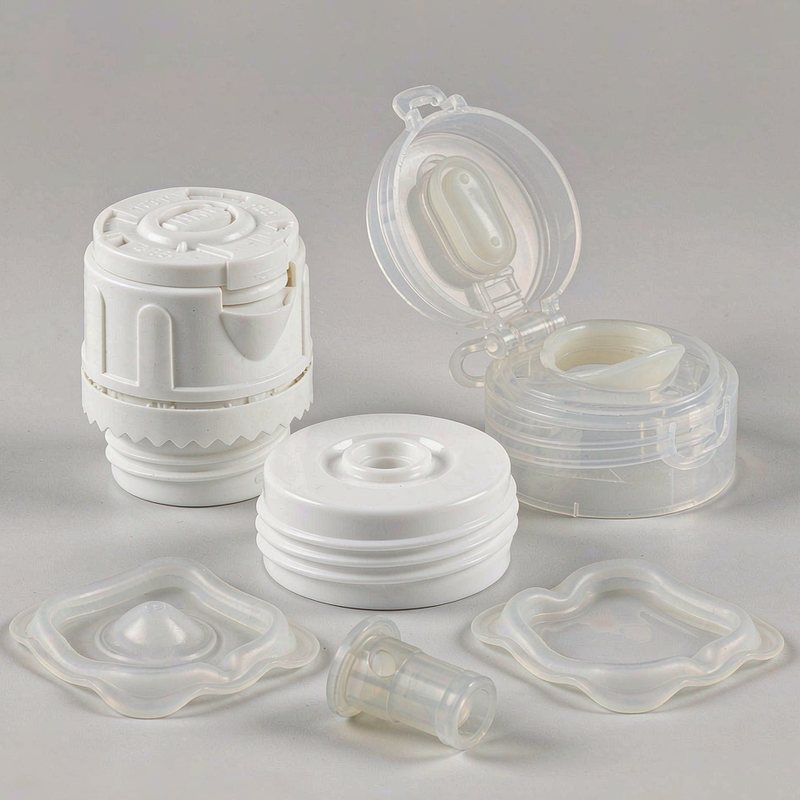
A closure has to do three jobs at once: seal the container, open for the user, and tell the user whether the container has been opened before. We mould closures for pharmaceutical, household chemical, food and personal care packaging, and the liner is moulded and inserted in the same facility so the sealing interface is one controlled process.
The test for a child-resistant closure is that a panel of children cannot open it in five minutes, and a panel of adults can open it on the first try. Those two requirements pull in opposite directions, and the usual failure is not a cap that children open, it is a cap that adults defeat by prying with a tool. We tune the push-force and turn torque against both panels during development, and we run the child panel test through an external lab rather than in house.
| Material | PP for the shell, HDPE for liners and bands |
|---|---|
| Neck finish | 24/410 to 38/450 standard, custom finishes with tooling |
| Removal torque | 12 to 22 in-lb depending on finish and liner |
| Tamper feature | Moulded band, or applied shrink band on request |
| Decoration | Unscreened or hot-stamped, colour matched to a supplied standard |
| MOQ | 50,000 pieces per closure type and colour |
The closure shell is moulded to the neck finish; the seal is made by the liner, and the liner has to seal against the bottle's top surface, not against the thread. That means the liner is compression set over months of storage, and a liner that seals on day one can leak on day ninety if the compression set is too high. We run a three-month compression set test on new liner compounds and report the residual load, not just the initial seal.
Send the bottle drawing or a physical sample and the product type. We propose a closure, mould a prototype in aluminium, and run a seal integrity test with your actual fill, because a water-based product and an oil-based product behave differently against the same liner. Tooling follows prototype approval, typically 25 to 30 days for a steel tool.
Tel:
Mobile:
Email:
Address: Huangyan District, Taizhou, Zhejiang, China
WeChat Support
Mobile Store
