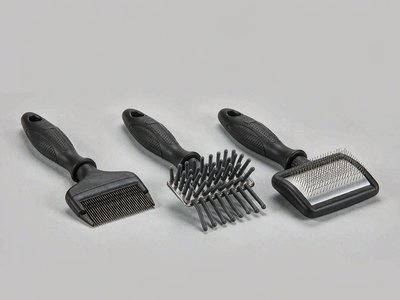
 Pet Grooming Comb and Deshedding
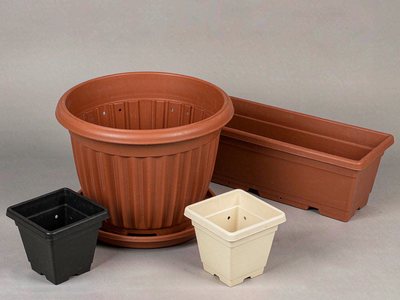 Injection Molded Plastic Planter
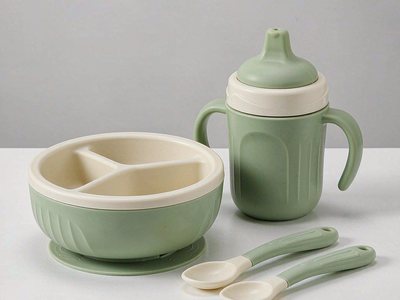 Food Grade PP Baby Feeding Bowl a
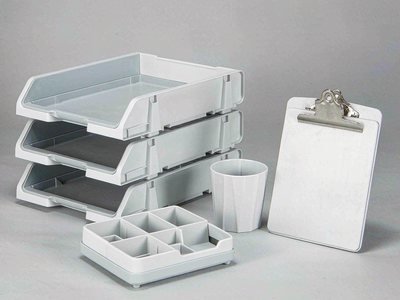 Plastic Desk Organizer and Docume
 Plastic Clipboard and Pen Holder
Product Details
Welcome to Shenzhen Everyday Plastics Co., Ltd. official website!
- Scan for Mobile Store

Thin-wall molding, living-hinge design, two-shot handles, retail packing



Price¥0.85
MOQ5000 pieceStock:0 piece
 Company Card
A resistance handle is judged in the hand. If the grip slides when the user sweats, or the foam separates from the core after a season, the handle is finished regardless of how the band performed. Both failure modes are moulding decisions.
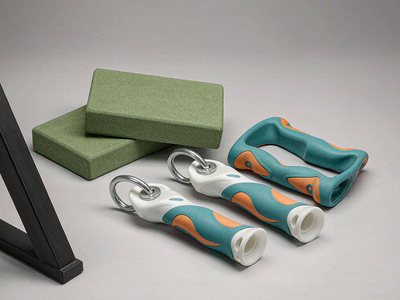
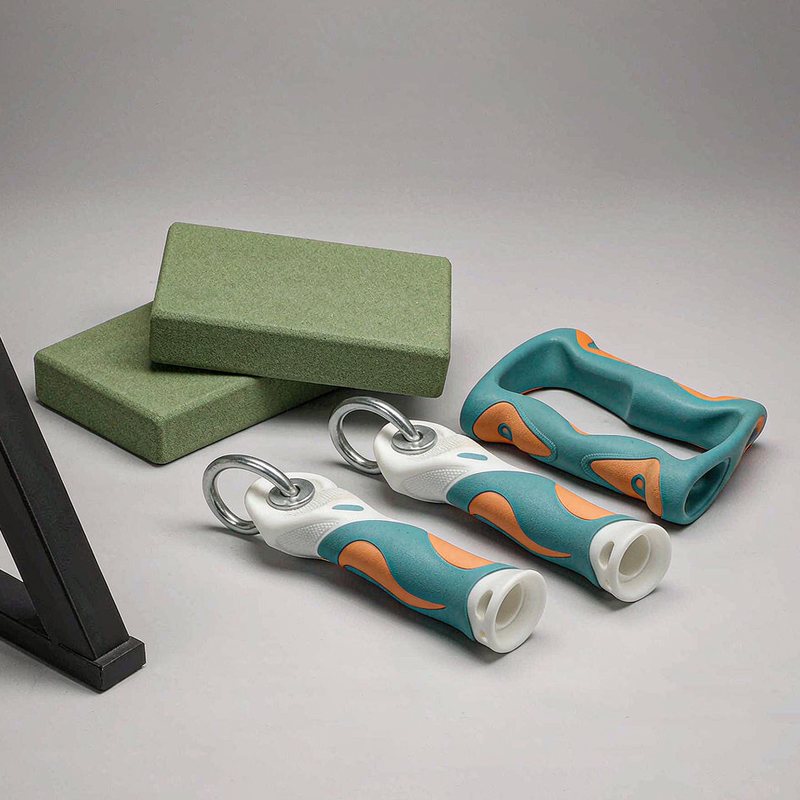
We mould two-shot resistance handles and fitness grips for fitness brands, private-label sellers and promotional buyers, with the option of an insert-moulded D-ring for band attachment.
A slipped-on foam sleeve costs almost nothing to add and fails at the ends first, because the bond is adhesive and the adhesive sees sweat, UV and repeated pulling. A two-shot overmould locks the grip mechanically: the TPE is shot onto a PP core with undercut grooves and through-holes, so the grip has to tear to come off. The tool is more expensive and the cycle is longer, but the handle survives the use it is sold for.
The TPE shore for a sweaty grip sits around 55 to 65 A: soft enough to hold, firm enough to transmit pull force without the hand cramping. Softer compounds feel premium on the shelf and turn slick in use. Where the programme targets hot-climate markets, a slightly harder compound with a matte texture holds better than a soft glossy one.
| Handle | Two-shot, PP core with TPE overmould |
|---|---|
| Grip diameter | 32 mm and 38 mm options |
| Attachment | Insert-moulded steel D-ring or moulded loop |
| Fitness block | EVA or PP, 230x150x75 mm options |
| Decoration | Pad print on the grip flat, or moulded-in colour |
| Packing | Header card or printed polybag |
| MOQ | 5,000 pieces per colourway |
An insert-moulded D-ring is the cheapest durability upgrade on the handle, and it is also where quality problems concentrate. The ring is placed in the tool and the PP is shot around the legs, so the mould has to hold the insert without flashing over the bearing surface. We pull-test every first article batch to the quoted retention force and report the break mode: a ring that pulls out clean means the insert leg was under-supported in the tool, not that the PP was weak.
EVA blocks are moulded in a steam chest rather than a press, which is a different process and a different supplier line: the material expands into the tool, and density is set by the charge weight rather than by the tool. PP blocks are injection moulded and denser, which suits stacking and shipping, and they can carry a living-hinge strap. Most programmes quote both and let the retail price point decide.
Pad printing sits on a flat milled into the grip; printing on the textured surface wears off in weeks. Compounds are declared phthalate-free under REACH, and the grip compound should be declared to the same standard as the core so a mixed declaration is never needed.
Two-shot moulding ties up a press with a rotating tool or a second injection unit, which is why the MOQ starts at 5,000 rather than the 1,000 of a single-shot part: the set-up recovery is paid over more pieces. Cycle time runs 35 to 50 seconds depending on grip wall, and the overmould shot is sequenced so the core is still warm enough for adhesion but cool enough to hold the insert. Where a programme runs several grip colours on the same core, the core is moulded in a single colour and the grip is the only second-shot variable, which keeps colour-change scrap to the grip alone.
Our EVA foam roller and yoga block programme covers the block and roller family, and the fitness and wellness category lists the full range.
Tel:
Mobile:
Email:
Address: Bao'an District, Shenzhen, Guangdong, China
WeChat Support
Mobile Store
