Product Details
Welcome to Shantou Kiddo Plastic Toys Co., Ltd. official website!
- Scan for Mobile Store

Food-contact grade molding, TPR overmolding, sound module assembly



Price¥0.45
MOQ3000 pieceStock:0 piece
 Company Card
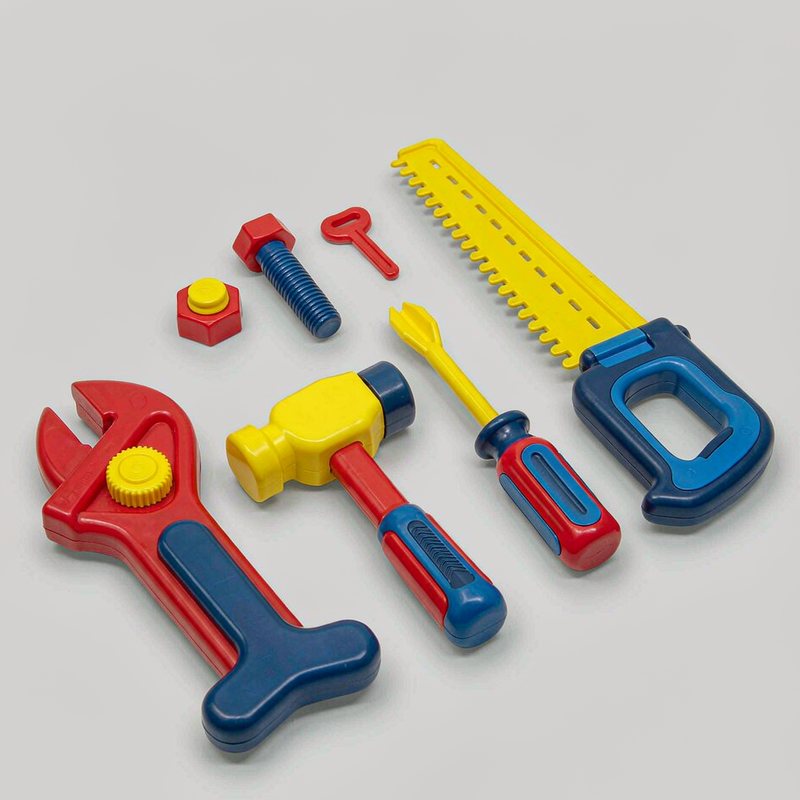
Toy Tool Set Plastic Components a
¥0.45/piece
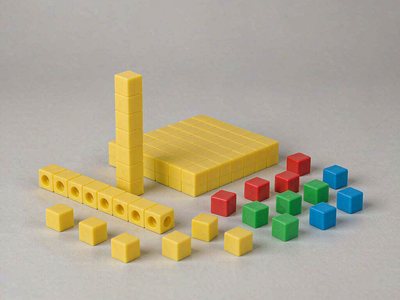 Plastic Math Manipulative Countin
¥0.02/piece
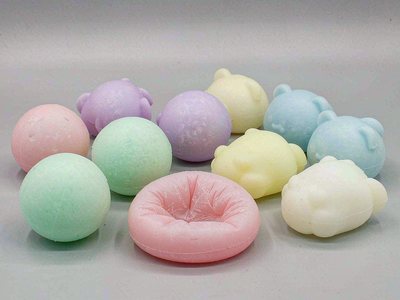 TPR Squishy Toy Manufacturer with
¥0.42/piece
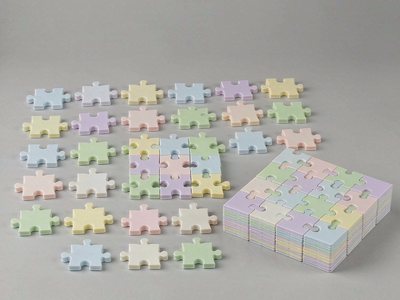 Custom Plastic Jigsaw Puzzle Manu
¥1.15/piece
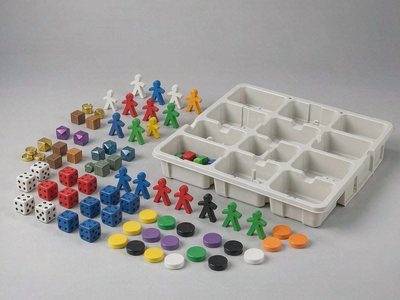 Board Game Plastic Components Dic
¥0.18/piece
 Plastic Pretend Play Kitchen Set
¥11.50/piece
 Kids Doctor Kit Plastic Case and
¥2.10/piece
 Plush Toy Plastic Insert and Sque
¥0.05/piece
 Plastic Stacking Cups and Bath To
¥1.85/piece
 Baby Rattle Plastic Shell and Ass
¥0.28/piece
Pretend tool sets are bought twice: once by the child who wants the biggest wrench in the box, and once by the adult who checks the age grading and the edge policy. The moulding is easy; the edges are the product. A toy saw with a moulded sharp edge fails the retailer's edge audit and the programme, and an edge policy cannot be added later without a new tool, because the edge is a tool-steel decision.
We mould and assemble toy tool set components for pretend play programmes: wrenches, screwdrivers, saws, hammers and bench hardware in soft PP, with optional assembly into retail sets.
Toy tools are specified by their edge policy before anything else. The usual programme policy is all edges radiused to 0.5 mm minimum, no points that can puncture under a defined force, and a shear or crush test on any feature that looks like a functional edge. This is written into the tool spec, not into the inspection: a tool cut with a sharp edge produces sharp parts forever, and no downstream step removes an edge cheaply. We review the tool model against the policy before cutting and flag any feature that will need a tool change rather than a deburr.
Soft PP copolymer at 35 to 45 shore C gives a tool that bends rather than breaks when a child leans on it, which is what the category wants. ABS is stiffer and holds detail better on small drivers, at the cost of brittleness in a cold room. Most programmes run the large tools in soft PP and the small drivers in ABS, which means two material streams and one assembly line, and the packing has to keep them separate until the set is built.
| Wrench | 120 to 200 mm, soft PP, ring and open ends |
|---|---|
| Screwdriver | ABS, cross and flat tips, 150 mm |
| Saw | Soft PP, moulded teeth with blunt edges |
| Bench hardware | PP with ABS inserts, nut and bolt playset |
| Edge policy | 0.5 mm minimum radius, no puncture points |
| Assembly | In-house set build, polybag or boxed |
| MOQ | 3,000 pieces per component |
The most returned item in the category is the nut-and-bolt set where the nut does not turn on the bolt. The fit is set by two tools that have to be cut together: the bolt thread form and the nut internal form, both moulded in PP. The thread is a moulded-in buttress rather than a real thread, and the interference is what makes it turn with a satisfying click. We cut the pair as a matched set with the interference specified, and sample the fit from both tools before either is approved.
Programmes that need retail-ready sets can take the assembly in-house here: components are kitted, bagged with a header card, or boxed with a printed insert. The assembly step is quoted per set and is where the small-parts audit is closed, because the final pack is what the retailer samples. Programmes that assemble elsewhere take components on lot cards with the declaration attached, which is the same material at a lower handling cost.
EN 71 and ASTM F963 cover the mechanical and chemical side, and CPSIA adds the tracking label at the set level. Age grading for tool sets is usually 3 plus, driven by the small parts in the nut-and-bolt family, and the grading statement goes on the pack rather than the component. The compound declaration covers the soft PP and the ABS inserts, and the colourant system is declared per programme because bright tool colours are pigment-heavy.
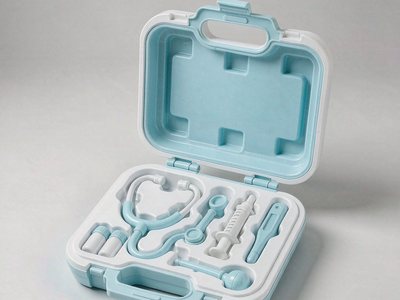
Our doctor kit case programme covers the case-based half of pretend play, and the pretend play category lists the full range.
Tel:
Mobile:
Email:
Address: Chenghai District, Shantou, Guangdong, China
WeChat Support
Mobile Store
