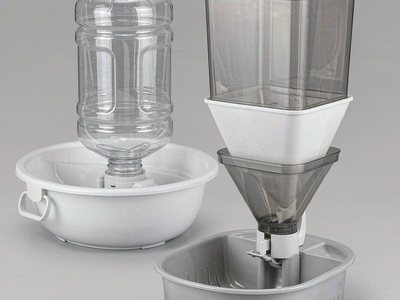
 Gravity Pet Feeder and Water Disp
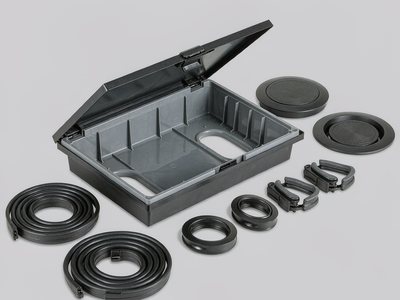 Office Cable Management Box and D
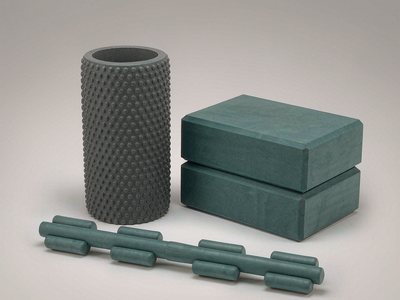 EVA Foam Roller and Yoga Block Ma
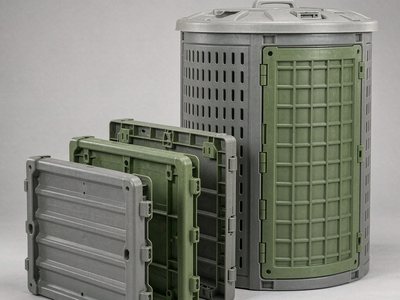 Plastic Raised Garden Bed and Com
 Cat Litter Box Injection Molded w
Product Details
Welcome to Changzhou PetPlas Industries Co., Ltd. official website!
- Scan for Mobile Store

Large-part molding, PP and ABS pet ware, moulded inserts and assembly



Price¥0.38
MOQ3000 pieceStock:0 piece
 Company Card
Maternity accessories sit in an awkward spot between textile and hard goods. A nursing cover is a fabric panel with a moulded rim or frame; a food storage container is a hard good with a seal and a stack. What the two share is the buyer: the same maternity programme that sells the cover also sells the container set, and the same audit applies to both, because both end up in a nursery and one of them ends up in a freezer.
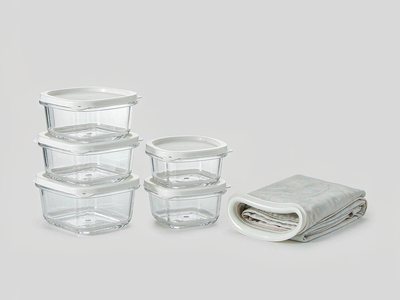
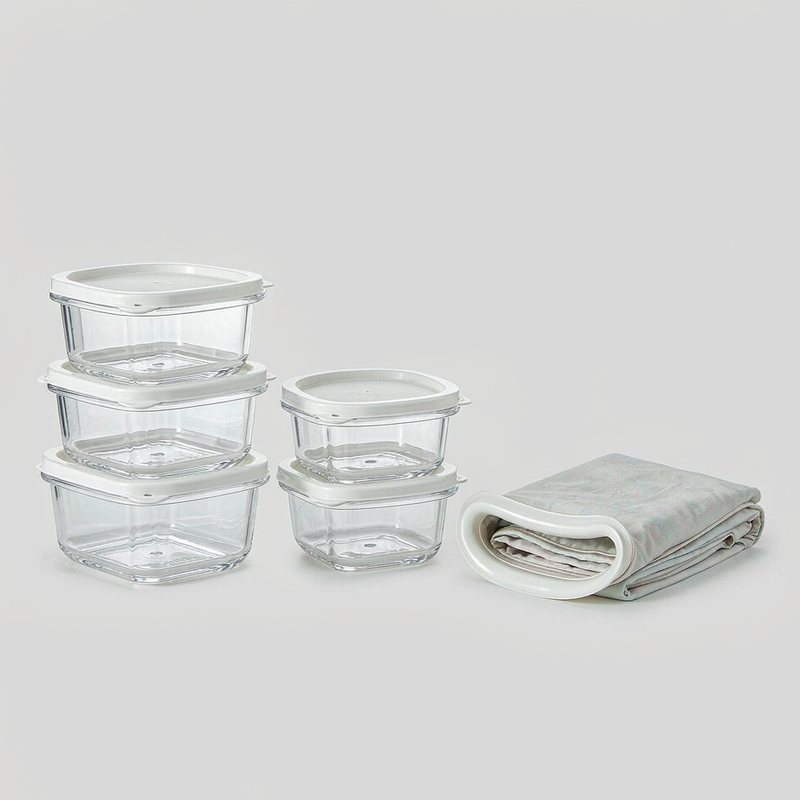
We mould the plastic half of maternity accessory programmes: nursing cover frames and rims, and stackable baby food storage containers with lids, in food-grade PP with TPE seals.
A nursing cover drapes over the wearer and needs two things from its moulded parts: a rim that holds the neckline open so the wearer can see the baby, and weight at the hem so the panel hangs rather than flaps. The rim is a curved PP strip moulded to a stiffness that holds a curve but flexes when the cover is folded into a bag, and the hem weight is either a moulded channel filled with metal shot or a moulded weighted bar. Both are quoted as part of the cover assembly, because a cover that fails in use fails at the rim or the hem, never at the fabric.
Baby food containers are bought in sets and judged on three things: the lid seals, the base stacks without rocking, and the body survives a freezer without cracking. The seal is a TPE gasket in a groove that is moulded into the lid, with the compression set by the groove depth rather than by hand pressure. The stack is a base-to-lid interface where the lid of one container becomes the foot of the next, and the geometry has to hold with a full container on top. The freeze requirement is a material requirement: homopolymer PP embrittles at freezer temperature, so the body is a copolymer or a clarified PP chosen for low-temperature impact.
| Nursing cover rim | PP strip, curved, 8 to 12 mm wide |
|---|---|
| Hem weight | Moulded channel or bar, fill per programme |
| Container | 120 to 250 ml, clarified PP, stackable base |
| Lid | PP with TPE gasket in moulded groove |
| Temperature | Freezer to microwave safe, minus 20 to plus 120 C |
| Packing | Sets polybagged, or bulk to the textile factory |
| MOQ | 3,000 pieces per part number |
Containers declare to FDA 21 CFR 177.1520 for the US market and to EU 10/2011 or LFGB for Europe, and the declaration covers the compound, the masterbatch and the gasket as three separate material lots. The gasket is the part programmes forget: a TPE that passes food-contact testing in one colour can fail in another, because the pigment load changes the migration result, so we test and declare the gasket in the production colour rather than in natural.
Container decoration is moulded-in colour or an IML label, and both survive the dishwasher. Pad printing is quoted only on the lid, where the print is away from the food cavity and the ink is a food-safe grade. Volume graduations are moulded in as raised or engraved marks rather than printed, because graduations that wash off are the most common field complaint on baby food containers, and a graduation in the tool is permanent.
Maternity programmes buy the plastic parts and the textile from different factories, so the plastic is supplied either as a component kit to the textile factory with lot cards attached, or as a finished assembly where we fit the rim and hem weight to the buyer's fabric. Container sets run on a cavitation tool with a rolling schedule, and the tool review before cutting is where the stack geometry and the seal groove are settled, because both are tool decisions that cannot be adjusted afterwards.
Our baby feeding bowl programme covers the feeding half of the category, and the baby and maternity category lists the full range.
Tel:
Mobile:
Email:
Address: Wujin District, Changzhou, Jiangsu, China
WeChat Support
Mobile Store
