Product Details
Welcome to Dongguan PlayWorks Industrial Co., Ltd. official website!
- Scan for Mobile Store

Multi-part figure molding, spray painting, tampo printing, assembly



Price¥0.55
MOQ3000 pieceStock:0 piece
 Company Card
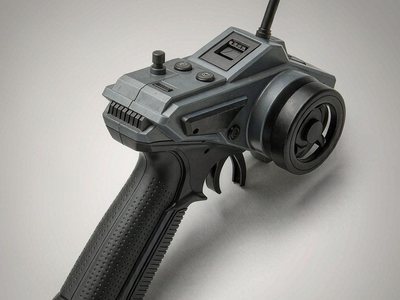 2.4GHz RC Transmitter Housing Too
¥1.65/piece
 Bubble Machine Plastic Housing an
¥3.20/piece
 Vinyl Figure Pilot Run and Low MO
¥3.60/piece
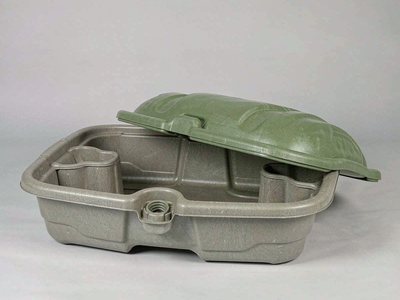 Sand and Water Play Table Injecti
¥18.50/piece
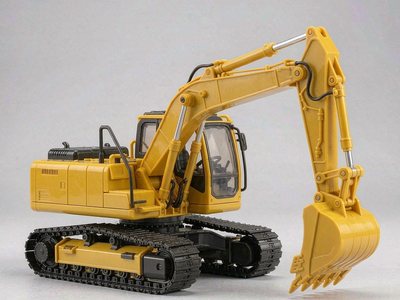 Diecast and Plastic Construction
¥2.60/piece
 Plastic Water Blaster Toy Manufac
¥2.10/piece
Toy Truck Cab and Trailer Plastic
¥0.55/piece
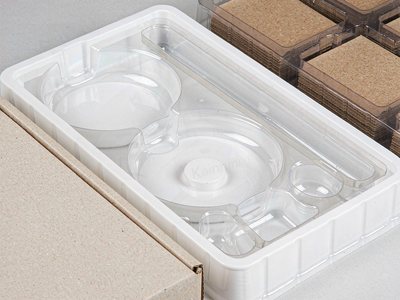 Plastic Puzzle Game Insert and Re
¥0.65/piece
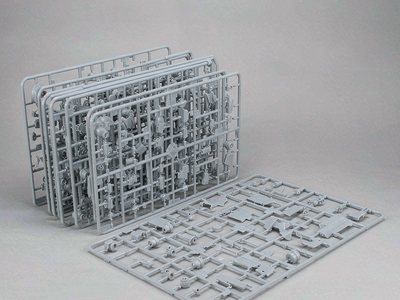 Polystyrene Model Kit Sprues Cust
¥1.60/piece
 Custom PVC Action Figure Manufact
¥2.35/piece
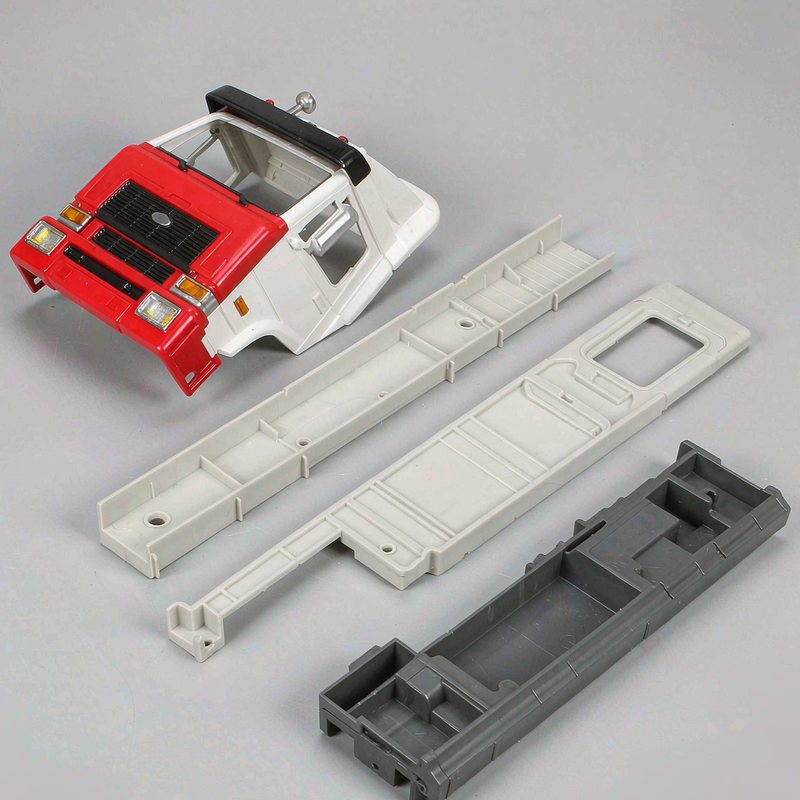
A toy semi truck is two products bolted together: a diecast chassis that gives the toy its weight and its price point, and a moulded cab and trailer that give it its shape. The moulded half is what the child recognises, and it is also what fails first, because a cab is a shell with no interior support and a trailer is a large thin panel that gets dropped from table height onto concrete as a matter of routine.
We mould cab shells, trailer panels and chassis covers for toy semi truck programmes, matched to diecast chassis designs, for toy brands, promotional buyers and private-label programmes.
The cab carries the model identity: the grille, the roof deflector, the mirrors, the bumper. All of it is moulded detail on a thin shell, and the detail is what the tool spends its time on. A cab is usually two-shot in appearance but single-shot in practice: moulded-in colour for the body with the grille and bumper as separate parts, because three colours in one tool triples the tool cost for detail that a child sees for a week. The mirrors are the first casualty in play and are quoted as a spare part.
A trailer side panel is a 300 by 100 mm part at 1.5 mm, and its failure mode is cracking at the mounting boss under drop load. The boss is reinforced with ribs running into the panel rather than standing alone, and the material is a PP copolymer for impact rather than ABS for detail. Where the trailer is a box van or a tanker, the panel geometry changes and the tool changes with it; where it is a flatbed, the same panel serves several programmes with different deck mouldings, which is the economics the category runs on.
| Cab shell | ABS, 1.5 to 2.0 mm, moulded-in detail |
|---|---|
| Trailer panel | PP copolymer, 1.5 mm, rib-reinforced bosses |
| Chassis cover | PP, trim panel over diecast chassis |
| Hardware | Insert-moulded fifth wheel and hitch pins |
| Decoration | Tampo print on cab roof and doors |
| Packing | Header card or bulk per programme |
| MOQ | 3,000 pieces per part number |
The moulded parts are quoted against a diecast chassis that already exists, which means the interface is fixed before the tool is cut and the moulding has to match the chassis tolerances rather than a drawing. The fifth wheel and hitch locations are the critical dimensions: a cab that sits 0.5 mm high on the chassis looks wrong on a shelf next to a correct one. We sample the first article against the buyer's chassis sample, not against the model, and we ask for that sample before quoting.
Truck toys are bought for the livery: the fleet name on the cab door is the reason a child picks one truck over another. Tampo printing on the flat cab door gives a durable print at low set-up cost and is the default; where the programme needs full-colour liveries, a printed insert or a printed sleeve is quoted. Liveries that name a real fleet are the buyer's licensing matter, and we mould only unbranded parts unless the buyer supplies the licence, which is the same policy we hold across the toy board.
EN 71 and ASTM F963 cover the mechanical side, with the drop test and the small-parts assessment on the mirror and hardware family. The compound declaration covers the ABS and PP streams, and the insert hardware is declared separately as a metal component. CPSIA tracking labels are applied at the packing stage per programme.
Our pull back toy car programme covers the smaller vehicle family, and the toy vehicle category lists the full range.
Tel:
Mobile:
Email:
Address: Chang'an Town, Dongguan, Guangdong, China
WeChat Support
Mobile Store
