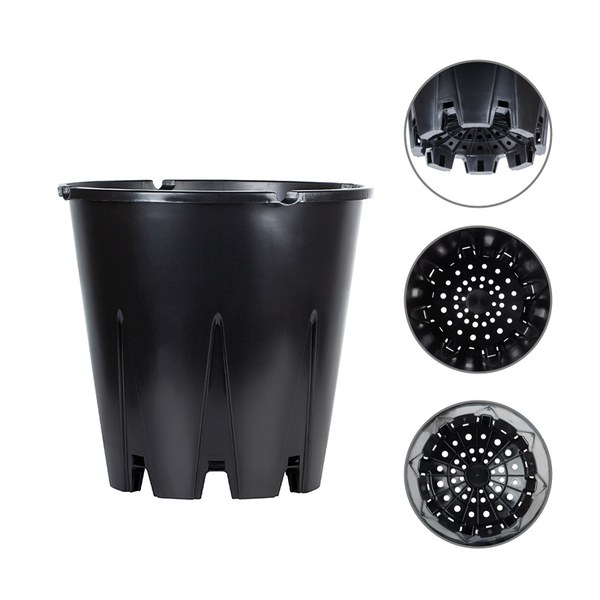
 Factory Outlet Plastic Blueberry
Product Details
Welcome to Huizhou Zhenglin Rubber Products Co., Ltd. official website!
- Scan for Mobile Store

Custom injection molding, Silicone rubber products





Price¥0.03
MOQ10000 pieceStock:0 piece
 Company Card
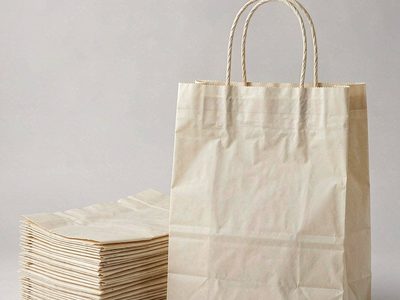
Selecting a biodegradable plastic bag manufacturer starts with one question: where does the bag go at end of life? PBAT and PLA blends compost in industrial facilities, starch-based films behave differently, and oxo-degradable additives are restricted in the EU and several other markets. A serious biodegradable plastic bag manufacturer will ask about the disposal route, the destination market's certification rules and the sealing equipment on the line before quoting a price. This page explains the material families, how compostable bags are produced, and the documentation that separates a genuine producer from a converter reselling generic film.
The film is blown on a conventional extruder with a modified screw and tighter temperature control, because PLA is shear-sensitive and PBAT is hygroscopic — both resins need proper drying and a stable melt. Conversion is familiar: flexographic printing, bottom or side sealing, and perforation where the design calls for it. The difference from polyethene production sits in process discipline: narrow temperature bands, controlled dwell time, and sealing parameters validated per resin lot, since compostable films have a narrower sealing window than LDPE.
Buyers should insist that certification applies to the converted bag, not only to the resin pellet, because additives, inks and coatings can all affect the compostability result.
For the wider material picture, our overview of biodegradable plastics in the film segment compares growth routes and limitations, and the plastic recycling grades guide explains why compostable and recycled streams must stay separate. Producers are listed under plastic products, and factory-level checks are described in the supplier directory.
WeChat Support
Mobile Store
