Product Details
Welcome to Shantou Kiddo Plastic Toys Co., Ltd. official website!
- Scan for Mobile Store

Food-contact grade molding, TPR overmolding, sound module assembly



Price¥2.10
MOQ1000 setStock:0 set
 Company Card
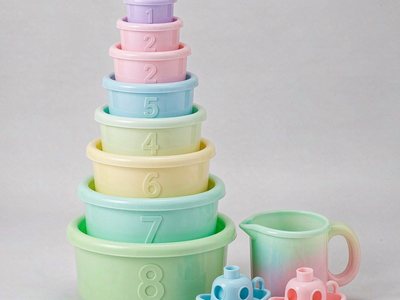 Plastic Stacking Cups and Bath To
¥1.85/set
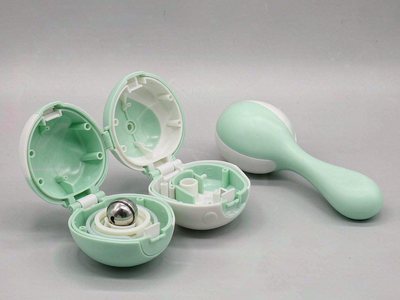 Baby Rattle Plastic Shell and Ass
¥0.28/set
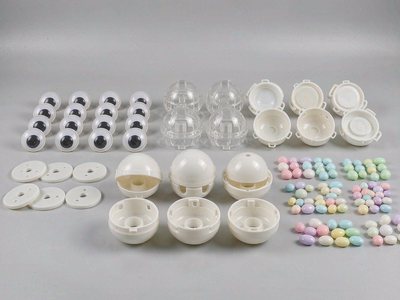 Plush Toy Plastic Insert and Sque
¥0.05/set
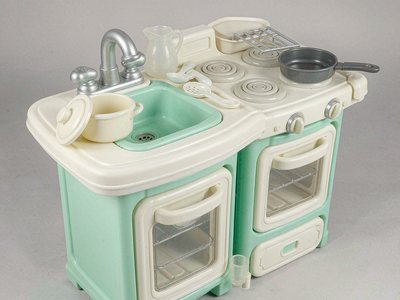 Plastic Pretend Play Kitchen Set
¥11.50/set
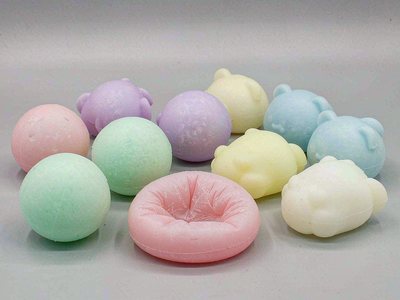 TPR Squishy Toy Manufacturer with
¥0.42/set
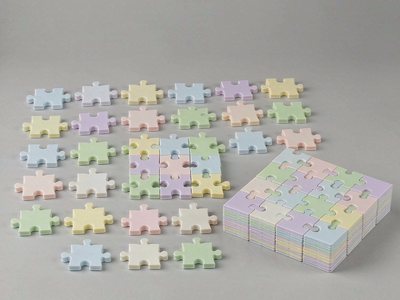 Custom Plastic Jigsaw Puzzle Manu
¥1.15/set
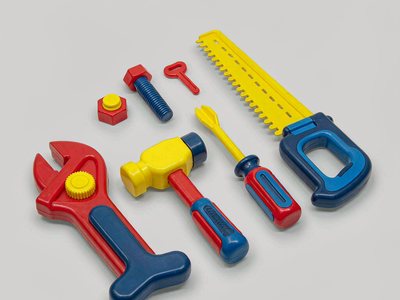 Toy Tool Set Plastic Components a
¥0.45/set
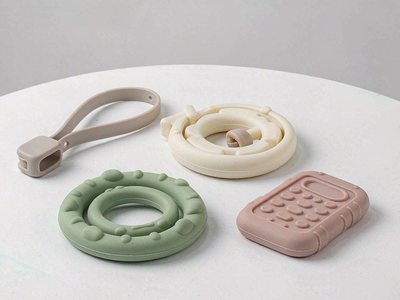 BPA Free Food Grade Silicone Teet
¥0.95/set
Kids Doctor Kit Plastic Case and
¥2.10/set
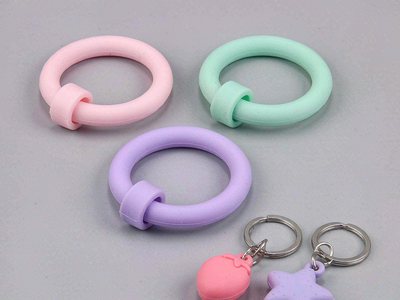 Silicone Fidget Ring and Novelty
¥0.42/set
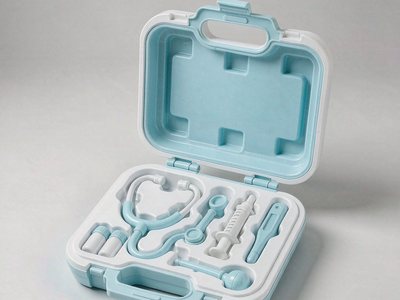
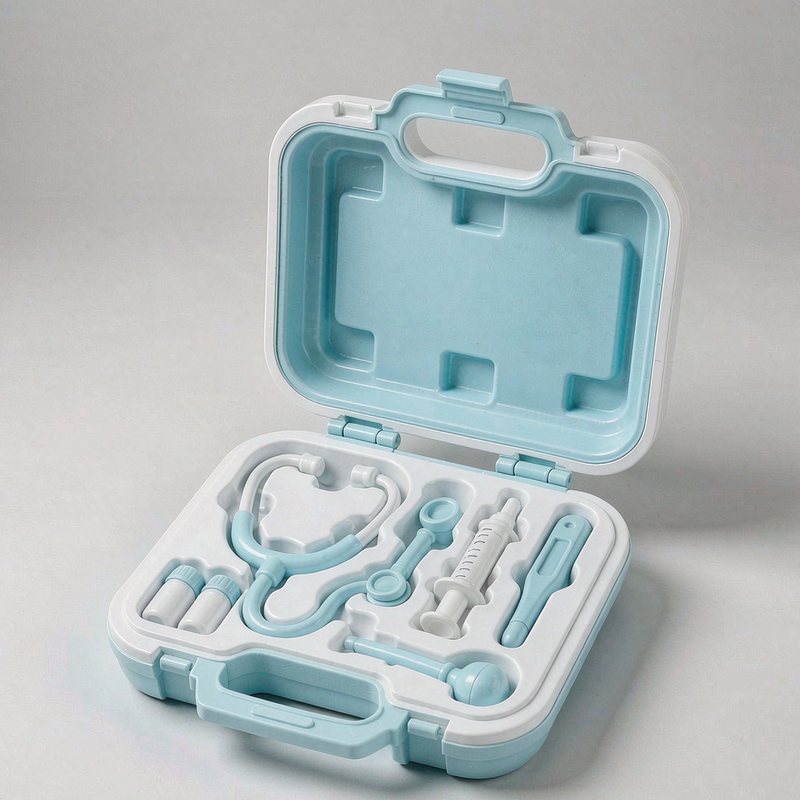
A doctor kit is a case full of small mouldings, and its cost is decided by how those parts nest. Buyers who treat the set as one drawing end up with a case that rattles, instruments that fall out when the latch opens, and a pack size that eats the retail margin. We mould doctor kits as a nesting problem first: every instrument gets a pocket in a moulded insert, the insert gets a home in the clamshell, and the clamshell is dimensioned around the packed insert rather than around the instruments loose.
The programme covers the standard preschool set — stethoscope, thermometer, syringe without needle, blood pressure cuff, otoscope, reflex hammer, forceps, scissors and a tray of pill bottles — plus the case that carries them.
The case is a two-half clamshell in rigid PP with a snap latch and a moulded carry handle. The insert is a separate moulding with a pocket per instrument, vacuum-formed only where a shape is too complex to mould; moulded inserts hold shape after a season of being sat on. Instrument retention is designed so a pocket grips the part by a moulded rib rather than by friction alone, so the set survives being carried by the handle upside down.
Instruments follow a rigid-core, soft-tip construction: a PP or ABS handle for stiffness, with TPE moulded or assembled onto the contact end. The stethoscope is the hardest part of the set — the chest piece, tubing and binaurals are specified as three components with a tubing material that stays flexible in cold, because a stiff tube makes the toy unusable in a winter classroom. The syringe is moulded without a needle with the tip geometry that cannot accept one, and this is stated in the specification rather than left to inspection.
Decoration runs tampo print on the instrument faces and a printed card insert in the case lid. Where the set carries dials or gauges, the dial face is printed in-register to a moulded mark so the needle reads against a real scale rather than a graphic alone. All printing is specified lead-free, and the ink system is declared on the compliance sheet the buyer submits to their laboratory.
Preschool sets are produced to EN71-1/2/3 and ASTM F963 with the age grade stated on the pack. Small-parts testing is run on first articles with the parts tested in their as-shipped condition — assembled, not separated — because the question the standard asks is whether the part comes off in a child's hand. Warning text is printed on the pack and moulded into the case where the buyer's artwork allows.
| Set contents | 8 to 20 instruments plus case and printed insert card |
|---|---|
| Case | Two-half clamshell in PP, snap latch, moulded carry handle |
| Insert | Moulded pocket per instrument, rib retention |
| Instruments | Rigid PP or ABS cores with TPE contact ends |
| Stethoscope | Three-piece construction, low-temperature tubing |
| Safety | EN71-1/2/3, ASTM F963, small-parts tested as shipped |
| MOQ | 1,000 sets, 3,000 for a new case platform |
| Tooling | 30 to 40 days for case, insert and instrument family |
The case and insert tools are the fixed cost of the programme; instruments are amortised across the set and its variants. The efficient structure is one case platform carrying three instrument tiers — an eight-piece starter, a fifteen-piece standard and a twenty-piece deluxe — which is how we quote the programme: one platform, three bills of materials.
See also the Pretend Play & Preschool category or our play kitchen set programme for adjacent role-play categories.
Tel:
Mobile:
Email:
Address: Chenghai District, Shantou, Guangdong, China
WeChat Support
Mobile Store
