Product Details
Welcome to Shantou Kiddo Plastic Toys Co., Ltd. official website!
- Scan for Mobile Store

Food-contact grade molding, TPR overmolding, sound module assembly



Price¥1.85
MOQ1000 setStock:0 set
 Company Card
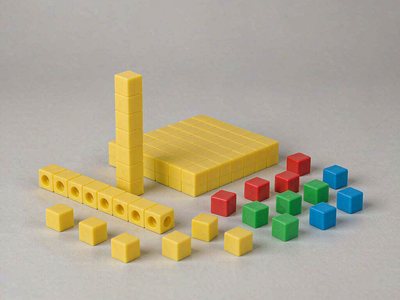 Plastic Math Manipulative Countin
¥0.02/set
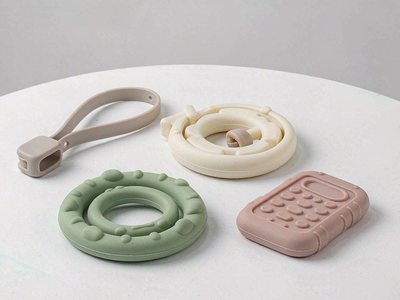 BPA Free Food Grade Silicone Teet
¥0.95/set
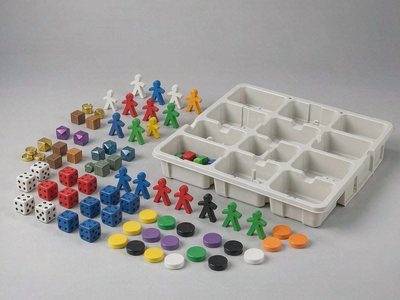 Board Game Plastic Components Dic
¥0.18/set
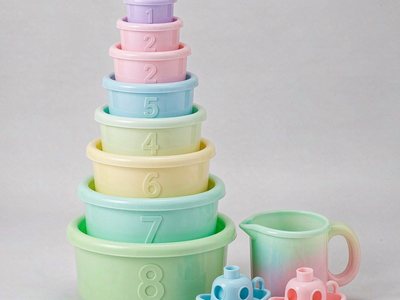
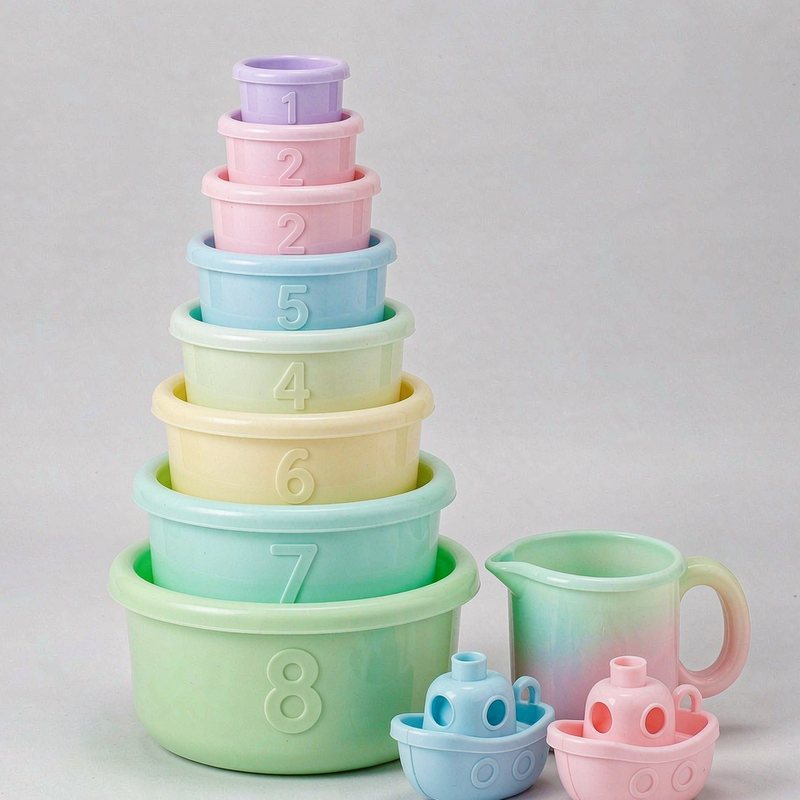
Plastic Stacking Cups and Bath To
¥1.85/set
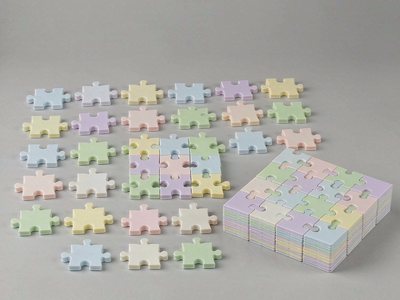 Custom Plastic Jigsaw Puzzle Manu
¥1.15/set
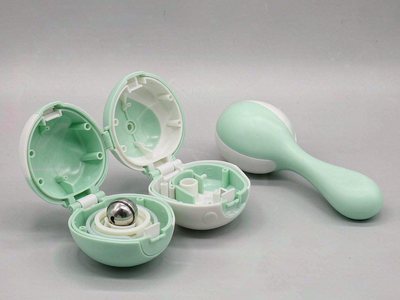 Baby Rattle Plastic Shell and Ass
¥0.28/set
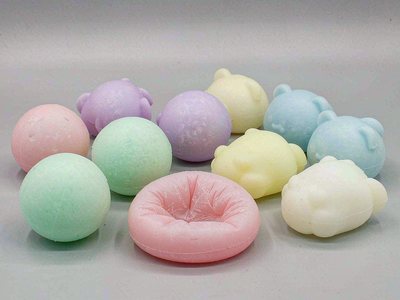 TPR Squishy Toy Manufacturer with
¥0.42/set
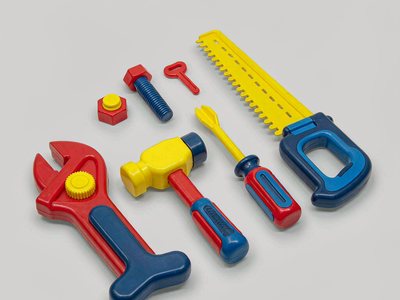 Toy Tool Set Plastic Components a
¥0.45/set
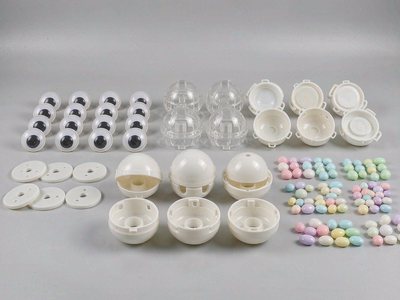 Plush Toy Plastic Insert and Sque
¥0.05/set
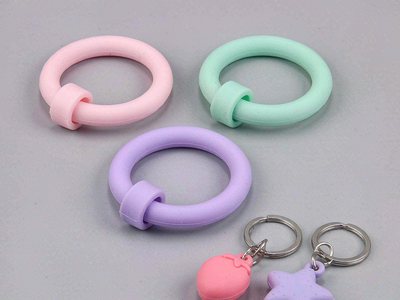 Silicone Fidget Ring and Novelty
¥0.42/set
Stacking cups look like the simplest moulding in the baby aisle and are actually a geometry problem: the stack has to hold together when a toddler carries it, come apart when they want it to, and do both after a season of being chewed. Bath toys add a second constraint — they have to float, drain and not grow mould in the cavity that makes them float. We mould both as one programme because the resin, the plant and the compliance file are the same.
The programme covers stacking cup sets of six to ten pieces, stacking rings, and the bath companions that ship with them: squeeze boats, watering cups and simple character shapes.
The stack is specified by the taper and the interference between successive cups. Too little taper and the stack collapses when carried; too much and a toddler cannot pull it apart. We specify the fit as a range measured on a gauge, adjusted in the tool, and the first-article report includes the pull-apart force per pair. The base cup carries a drain pattern moulded into its floor so a cup left full in the bath does not carry water across the bathroom.
A bath toy that sinks is a toy that goes down the plughole, so float is specified by the sealed volume and the resin density rather than by trial. Where a toy has a cavity, the cavity is either fully sealed or fully drained: a half-drained cavity grows mould, and mould in a baby product is a recall. Squeeze toys are moulded with a valve geometry that draws and expels water through the same path, specified so the jet is a trickle rather than a stream.
Everything in the programme is moulded in food-grade PP, BPA free, with the resin declaration and migration documentation supplied with each lot. Colour is masterbatch matched to the buyer's standard, and where a set is specified for teething-age children, the soft elements are quoted in silicone with the same declaration. No phthalate plasticisers are used anywhere in the programme, and that is stated on the compliance sheet rather than left implied.
Baby programmes are produced to the standard the buyer nominates for the target market, typically EN71-1/2/3 and CPSIA for the United States, with the age grade stated on the pack. Small-parts testing is run on the set as shipped, because the question is whether a cup or a part separates in a child's mouth. Where the set is marketed for the youngest age band, film and thin-wall features are designed out before tooling.
| Set contents | 6 to 10 stacking cups, rings, plus 2 to 5 bath toys |
|---|---|
| Material | Food-grade PP, BPA free, phthalate free |
| Stack fit | Pull-apart force specified as a range, reported per pair |
| Bath toys | Sealed or fully drained cavities, squeeze valve specified |
| Decoration | Moulded numbers and shapes; tampo print optional |
| Safety | EN71-1/2/3, CPSIA as nominated; small parts tested as shipped |
| MOQ | 1,000 sets, 3,000 for a new cup platform |
| Tooling | 25 to 35 days per cup and bath toy family |
The cup family is the platform: one tool family carries a six-piece starter set, a ten-piece standard set and a gift set with bath toys, at three retail price points from one steel investment. Bath toys are amortised across the sets that carry them. We quote the tool family once and each set as a bill of materials, so the range extension cost is visible before commitment.
For adjacent baby programmes, see our silicone teether programme or the Baby & Toddler Toys category.
Tel:
Mobile:
Email:
Address: Chenghai District, Shantou, Guangdong, China
WeChat Support
Mobile Store
