Product Details
Welcome to Shantou Kiddo Plastic Toys Co., Ltd. official website!
- Scan for Mobile Store

Food-contact grade molding, TPR overmolding, sound module assembly



Price¥0.18
MOQ5000 pieceStock:0 piece
 Company Card
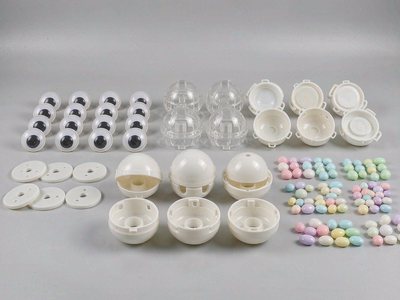 Plush Toy Plastic Insert and Sque
¥0.05/piece
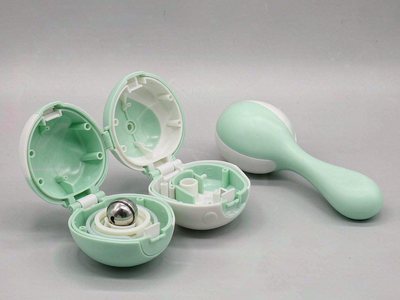 Baby Rattle Plastic Shell and Ass
¥0.28/piece
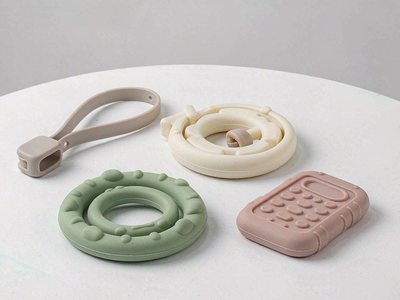 BPA Free Food Grade Silicone Teet
¥0.95/piece
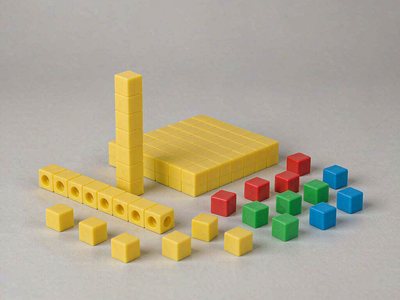 Plastic Math Manipulative Countin
¥0.02/piece
Board Game Plastic Components Dic
¥0.18/piece
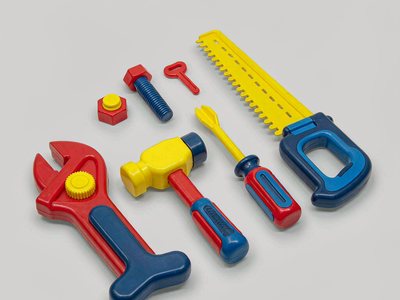 Toy Tool Set Plastic Components a
¥0.45/piece
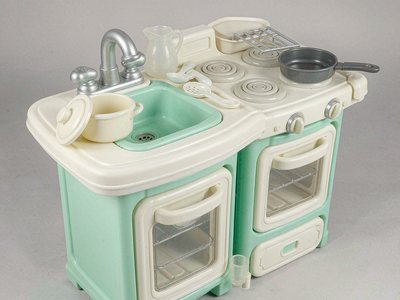 Plastic Pretend Play Kitchen Set
¥11.50/piece
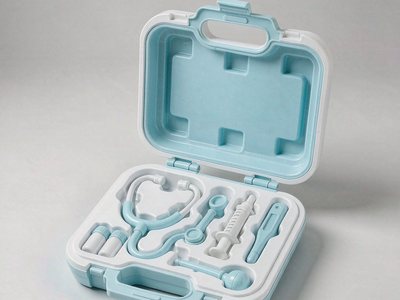 Kids Doctor Kit Plastic Case and
¥2.10/piece
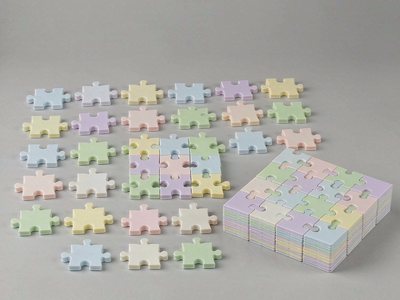 Custom Plastic Jigsaw Puzzle Manu
¥1.15/piece
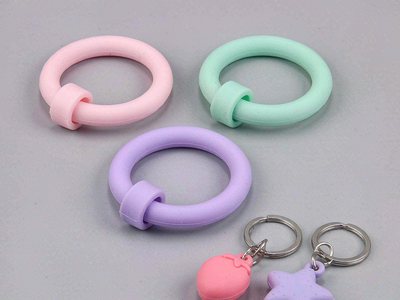 Silicone Fidget Ring and Novelty
¥0.42/piece
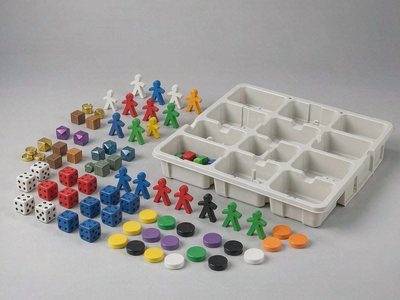
A board game publisher buys plastic components the way a factory buys fasteners: in volume, to a tolerance, counted. The components themselves are simple — dice, tokens, meeples, cubes — but the programme lives or dies on consistency between cavities and on the kitting. A box with 37 resource tokens instead of 40 generates a rulebook's worth of customer emails. We mould game components as a counting programme, with cavity-to-cavity control and a kitting process that verifies piece count before the box is sealed.
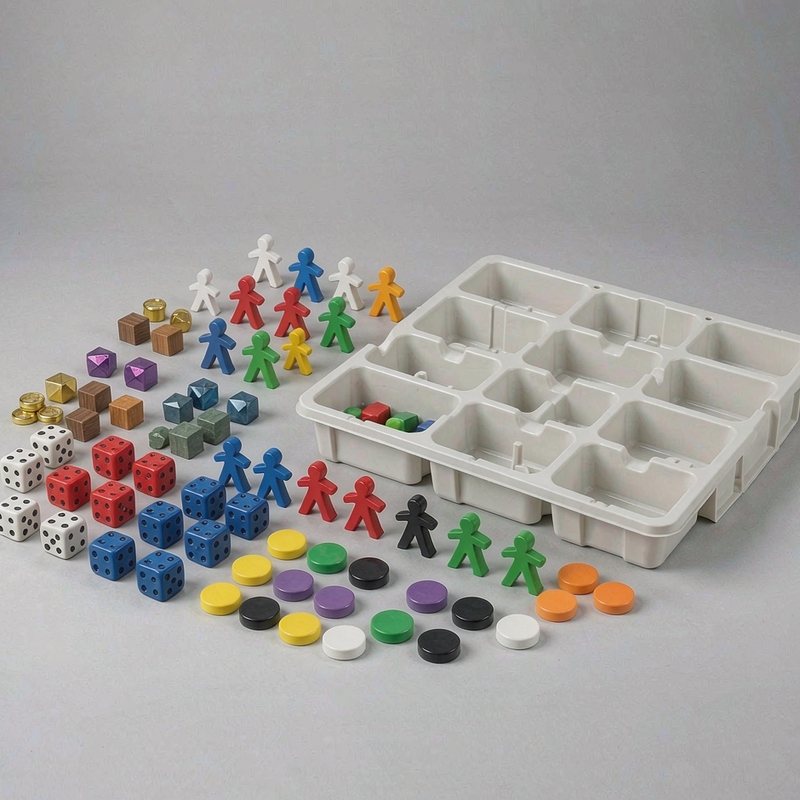
The programme covers standard and custom dice, round and shaped tokens, meeples and pawns, resource cubes and the moulded trays that organise them in the box.
Game dice are moulded in PMMA or ABS with the pips moulded in and filled or left as recesses, depending on the design. For standard six-sided dice the specification is dimensional: edge length held to a tight tolerance so dice from different cavities read the same on a table, with corner sharpness specified because a rounded corner reads differently under a thumb. We do not produce casino-grade dice or make balance claims beyond standard game tolerance; where a game needs weighted or precision dice, that is quoted against the buyer's own specification and laboratory.
Tokens are moulded in ABS or PS with the artwork either moulded in relief or tampo printed, and the choice is a cost decision the buyer makes at quotation: moulded detail is a tooling cost, print is a per-piece cost, and the crossover point depends on the print run. Meeples are moulded in PP or ABS with the standing base specified flat enough to stand and shaped enough to read as a piece on a crowded board. Resource cubes are specified by dimensional tolerance so they stack, which sounds trivial until a run of cubes from a drifted cavity will not stack in a player's supply.
Storage trays are moulded in PP or PS with a pocket per component type, dimensioned to the actual component drawing rather than the box drawing — the classic failure is a tray designed from the box interior that leaves the components loose in transit. Where the box uses a vacuum-formed insert instead, the moulded components are dimensioned to the forming draw so the tray grips them. Tray and components are quoted as one package so the fit is verified before either tool is cut.
Components are counted on scales calibrated per component, bagged to the bill of materials, and the bags are sealed with a count label that lets the publisher's packing line verify by weight. Where a game ships with a tray, the kitting runs to the tray layout: each pocket filled to its stated count before the tray goes in the box. A kitting report accompanies each production lot, so a short count is found at our scale rather than at the publisher's pack-out line.
| Dice | d4 to d20 standard and custom faces, PMMA or ABS |
|---|---|
| Tokens | Round and shaped, ABS or PS, moulded relief or tampo print |
| Meeples | PP or ABS, flat-standing base, custom shapes from tooling |
| Cubes | Dimensional tolerance specified so runs stack |
| Trays | Moulded PP or PS pockets dimensioned to component drawings |
| Kitting | Scale-counted to BOM, bagged, count report per lot |
| MOQ | 5,000 pieces per component, sets quoted as a programme |
| Tooling | 25 to 35 days per component family |
Game components are quoted per component family with kitting as a separate line, because publishers compare our component prices against other moulders and our kitting against in-house pack-out. The tray package is quoted with the components it carries, so the fit between the two is verified at the drawing stage rather than discovered on the packing line.
For adjacent puzzle programmes, see our plastic jigsaw puzzle programme, or browse the Puzzles & Board Games category.
Tel:
Mobile:
Email:
Address: Chenghai District, Shantou, Guangdong, China
WeChat Support
Mobile Store
