Product Details
Welcome to Suzhou SemiParts Precision Plastics Co., Ltd. official website!
- Scan for Mobile Store

Engineering resin molding, insert molding, sub-assembly and kitting



Price¥0.85
MOQ5000 pieceStock:0 piece
 Company Card
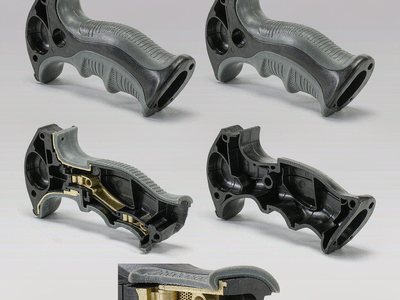
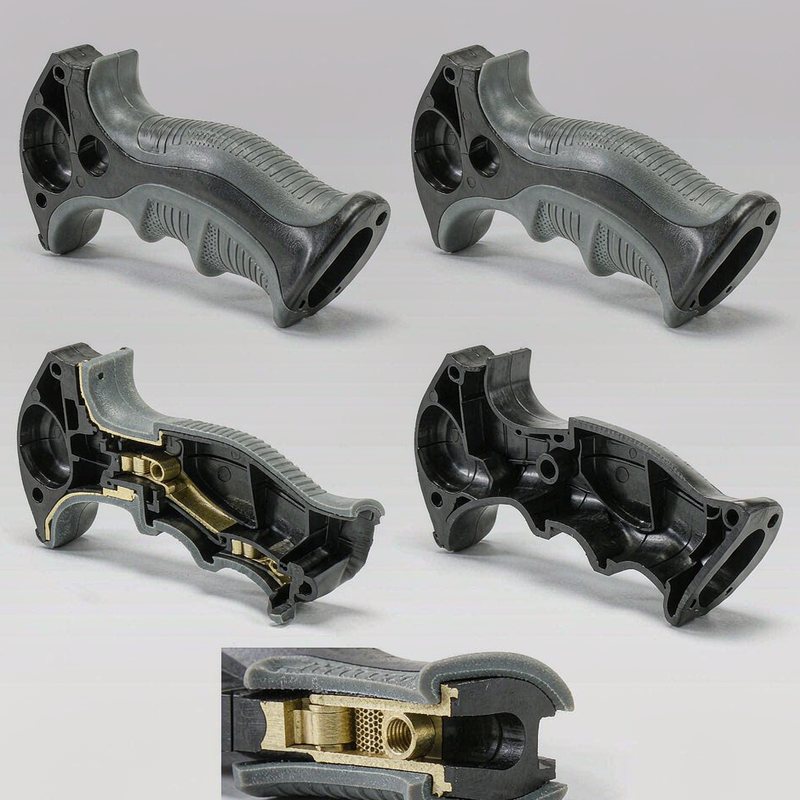
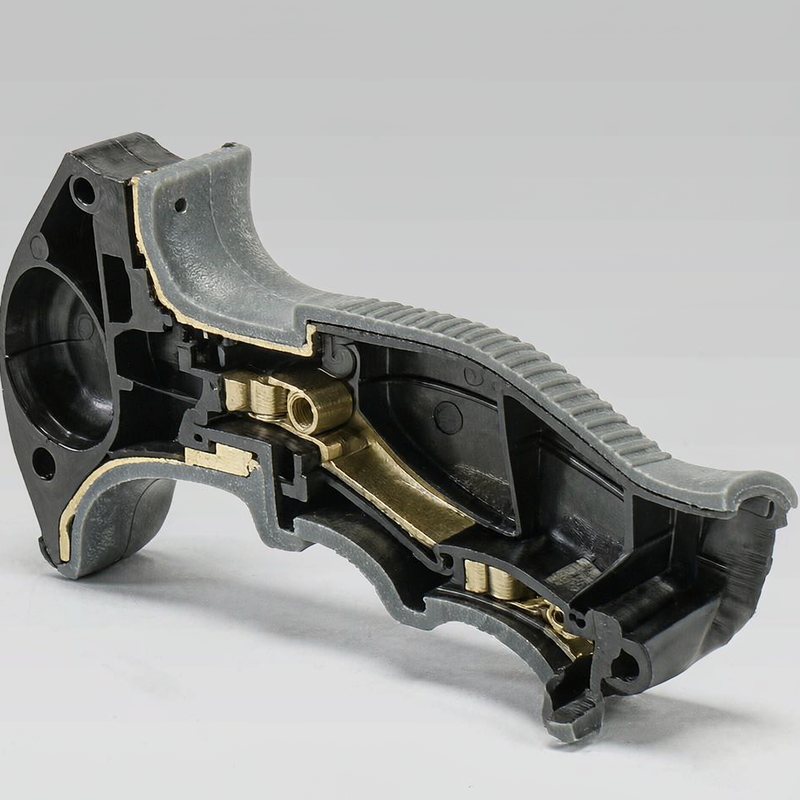
Overmoulded Grip and Handle Sub-A
¥0.85/piece
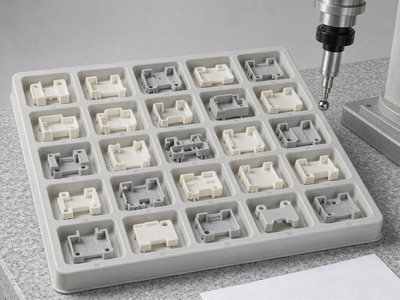 Custom PP and ABS Molded Componen
¥0.28/piece
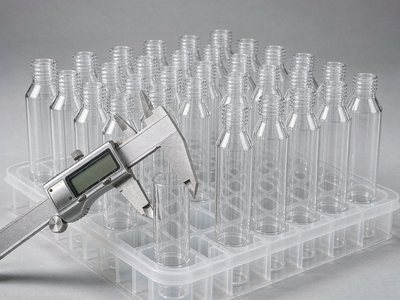 PET Preform Family with Plus Minu
¥0.04/piece
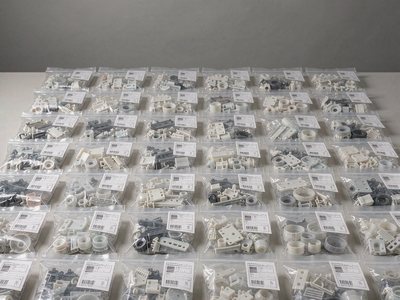 Bagged and Sorted Molded Parts Ki
¥0.02/piece
 PET Preform 24/410 Neck Injection
¥0.03/piece
 Moulded Plastic Sub-Assemblies Ge
¥1.15/piece
 Colored PET Preform and Wide Mout
¥0.04/piece
 Ultrasonic Welded Pump Housing an
¥1.15/piece
 Unassembled Injection Moulded Com
¥0.18/piece
A grip is bought as a sub-assembly, not as a part, and the difference is the assembly step the buyer does not have to run. The programme receives a finished grip with the inserts in place and the bond cured, and what it is really buying is the removal of three operations from its own line: insert installation, overmoulding and bond verification. That is why grips are quoted per sub-assembly with the verification included, and why a grip quoted as a loose part is a different product from the same geometry quoted as a sub-assembly.
We supply two-shot overmoulded grip and handle sub-assemblies with heat-set brass inserts, ready for the buyer's assembly line.
The sub-assembly is a rigid core, usually PP, ABS or PA, with a TPE overmould covering the grip zone. The core carries the inserts and the geometry that mates to the buyer's product; the overmould carries the feel. The bond between them is the specification, because a grip that debonds in a wet or oily hand is a warranty return, and the bond is set by the substrate preparation, the shot window and the adhesion promoter in the TPE compound rather than by anything that can be adjusted at the press after the fact.
Inserts are installed after moulding rather than moulded in, for three reasons: a heat-set insert can be replaced if it is installed wrong, the installation is verified with a torque reading rather than inferred from the shot, and the core tool does not have to hold the inserts during the shot, which lowers the tool cost and the cycle risk. The insert is heated and pressed into a boss that is cored to a defined wall, and the boss is designed so the insert is surrounded by material rather than sitting on a thin skin. Retention is verified per lot with a pull test and a torque test, with the break mode reported, because an insert that pulls clean was under-supported in the boss.
| Core | PP, ABS or PA, per programme load |
|---|---|
| Overmould | TPE 45 to 75 shore A, adhesion promoter declared |
| Insert | Brass, heat-set, M3 to M8 typical |
| Bond | Peel test per lot, failure mode reported |
| Insert retention | Pull and torque per lot, break mode reported |
| Supply | Finished sub-assembly, kitted to BOM |
| MOQ | 5,000 sub-assemblies per part number |
The sub-assembly arrives with the inserts installed, the bond verified and the lot card attached, which is what removes the buyer's three operations. Programmes that want to own the verification take the same parts on lot cards with the test records attached and run their own incoming inspection, which is the same sub-assembly at a lower handling cost. The kitting option extends to mixed part numbers per set, where the grip ships with the trigger, the latch or the cover that shares the assembly station.
Grip sub-assemblies declare to REACH for the material stream, with the core compound, the TPE compound and the adhesion promoter declared as three lots because each migrates differently. Tool and appliance programmes add RoHS where the sub-assembly ships with an electronics-bearing product, and the declaration names the insert metal separately. As across this site, the copy stays on the industrial specification and makes no performance claim that the programme's own testing has not established.
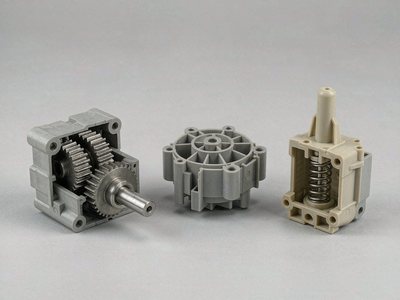
Our mechanical sub-assembly programme covers the gearbox and latch family, and the sub-assembly category lists the full range.
Tel:
Mobile:
Email:
Address: Suzhou Industrial Park, Jiangsu, China
WeChat Support
Mobile Store
