PPS (polyphenylene sulfide) is the high-temperature, chemically resistant engineering resin used where nylon and PBT soften or swell. This category groups PPS resin by service envelope and by filling system: unfilled, 40% glass-filled, glass/mineral, conductive and wear-modified grades. Quote continuous-use temperature, chemical exposure and flame rating, then request a lot-specific COA before you commit tooling, because a PPS part is rarely re-specified once the tool is built.






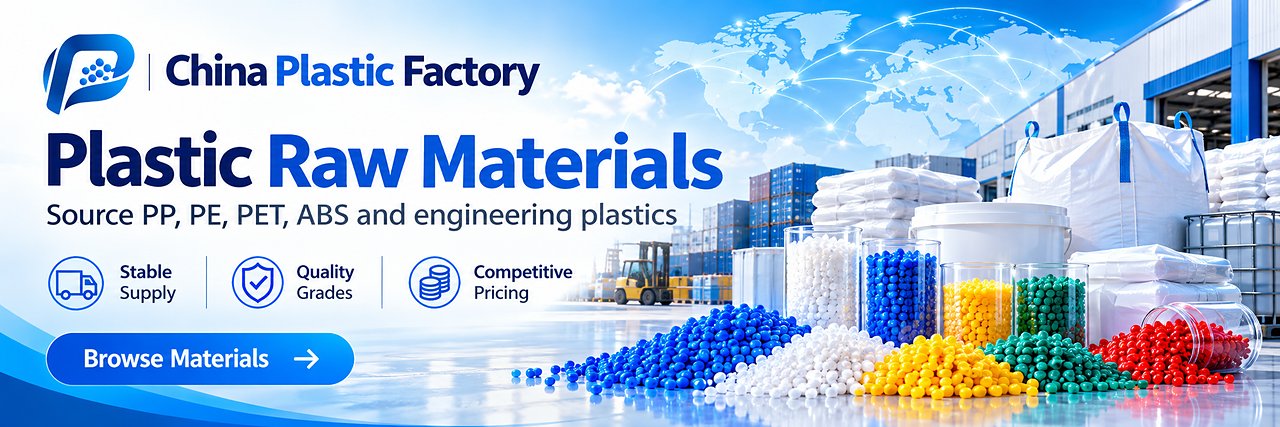


Choose PPS by the service envelope first — heat, chemical contact and electrical duty — then by the filling system. The polymer is the same; the filler decides whether the part survives.
| Grade family | What it changes | Where it is used | Confirm before ordering |
|---|---|---|---|
| Unfilled PPS | Highest purity, lowest stiffness | Linings, film, slurry parts | Melt flow, colour, purity |
| 40% glass fibre | Stiffness, heat deflection, stability | Pump housings, brackets, connectors | Fibre loading, coupling, anisotropy |
| Glass/mineral | Flatness, warp control, lower cost | Housings, bobbins, large plates | Filler ratio, shrinkage balance |
| Wear-modified | Friction and wear behaviour | Bearings, seals, thrust washers | PV test method, counterface |
| Conductive or ESD | Controlled surface resistivity | Fuel-system and electronic parts | Resistivity range, filler type |
PPS wins when the part sees sustained heat, aggressive chemicals or both. PBT moulds more easily and costs less for milder duty; see the full comparison.
PPS is inherently flame retardant and commonly reaches UL 94 V-0 without a halogen package, but the rating depends on thickness and colour. Ask for the Yellow Card.
Much less. PPS absorbs very little moisture, so it is far more forgiving than PA66 or PET at the hopper; still follow the TDS drying window.
GF40 balances stiffness, heat deflection and dimensional stability at a compound cost most programmes accept. The trade-offs are covered in the GF40 grade guide.
Temperature above what PPS holds, toughness PPS cannot meet, or a service life that justifies the price step. Compare them in the PEEK guide.
Sourcing PPS resin? Send the service temperature, chemical exposure and flame rating to the plastic materials desk. For filled and FR compounds compare glass-fibre reinforced plastics and flame-retardant grades; for neighbouring polymers see engineering plastics; for conversion and tooling see custom molding services, applications by industry and injection molds and tooling.




 Site name:China Plastic Factory
Home About us Contact Use Agreement Copyright Privacy | sitemap | Rank | Advertising | gift | guestbook | RSS
(c) 2026 China Plastic Factory. All Rights Reserved.
