


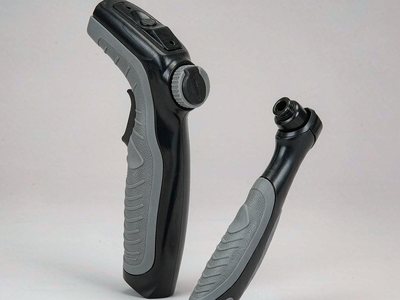

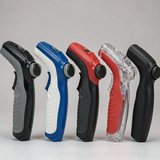
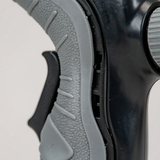


A two shot molding service produces parts where two materials are injected in one cycle on one machine, without an assembly step. The result is a hard structural body bonded permanently to a soft grip, a sealed colour boundary that cannot peel, and one part number where a buyer previously managed two. For handles, toothbrushes, power tool housings, medical device grips and automotive bezels, this is usually the cheapest way to get a two-material part at volume.
What Two Shot Molding Actually Is
Two independent injection units feed the same mold. The first shot forms the substrate; the mold then opens, rotates or a core retracts, and the second shot is injected directly against the first. Because the second melt is injected onto a still-warm substrate, the bond is a true material weld rather than an adhesive joint.
This is different from overmolding on a separate machine, where a finished insert is loaded by hand or robot into a second mold. Overmolding is right for low volumes, for multi-part assemblies and for substrates that cannot survive a rotation cycle. Two shot molding is right when the part is small enough for a rotating mold and the annual volume justifies the tooling.
Two Process Routes: Rotating Platen vs Core-Back
Rotating platen
- Mold halves rotate 180 degrees between shots; both shots run in the same cycle
- Best for: clearly separated material zones, hard-soft combinations, high volume
- Constraint: mold size is limited by the machine's rotating platen capacity
Core-back (retracting core)
- The first shot fills a reduced cavity, then a core retracts to open space for the second material
- Best for: large parts, thin soft layers over a rigid base, in-mold assembly
- Constraint: the second shot needs a clean path around the first, so wall design must be agreed early
Material Pairing That Works
Adhesion depends on chemical compatibility, not on pressure. The reliable pairs are the ones where the soft component is designed to bond to the substrate family:
- ABS or PC substrate with TPE or TPU — the most common hard-soft combination
- PP substrate with a PP-based TPE — needed where chemical resistance matters
- PA substrate with a TPE modified for polyamide — used for tool housings and grips
- PC with PMMA or PC with a tinted PC — clear-to-colour cosmetic parts
Incompatible pairs such as PP against most TPUs will not bond without a tie layer, however well the mold is built. This is why the material call has to be made before the tool design, not after. If the soft component is a grip sleeve supplied as a separate part today, compare the cost of continuing to buy it assembled from TPE overmold grips against the amortised cost of a two shot tool.
What to Send for a Quote
Three items determine whether a two shot quote is realistic:
- 3D files for both the substrate and the soft component, with the material of each named
- Annual volume and expected tool life, so the mold steel and cavitation can be matched
- The cosmetic boundary — where the colour line must sit and what tolerance applies
Send those three and a custom molding supplier can confirm machine tonnage, rotation capability and cycle time in one round. Buyers who send only a single-material part file usually receive a quote that silently assumes overmolding on two machines, which is not the same process and not the same price. Compare capability across verified manufacturing partners before deciding.
