




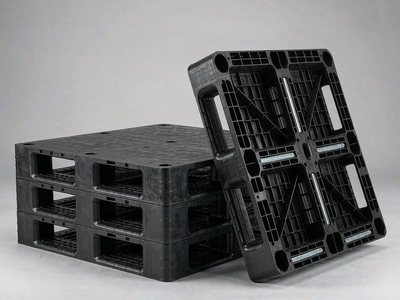

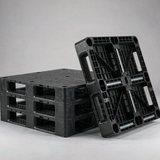
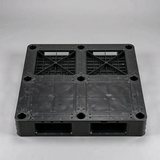
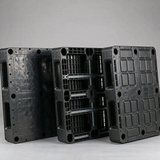

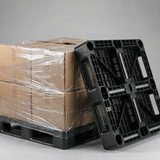

Plastic pallets have moved from a warehouse premium to the default platform for export logistics, food processing and pharmaceutical duty, and choosing a plastic pallet supplier is now as much a specification decision as a price decision. HDPE pallets survive washdown, chemical splash and freeze-thaw cycles that shorten the life of timber, they carry racking loads without splinters or exposed nails, and they clean quickly enough for hygienic environments. This page covers the pallet formats Chinese suppliers produce, the specification points that separate a true rackable pallet from one that only suits light stacking, and the commercial terms that apply to export orders.
What a Plastic Pallet Supplier Should Offer
Three pallet families cover most buyer requirements, and a capable supplier quotes all of them from the same production line:
- Nine-foot rackable pallets (1200x1000 mm) - the export standard, built with steel or composite reinforcement so they hold loads in racking beams rather than only on the warehouse floor.
- Nestable and stackable pallets - lighter and cheaper, designed for one-way export trips and internal transport where racking is not involved.
- Hygienic food-grade pallets - fully drawn, pin-free surfaces in material suitable for food contact duty, specified where washdown and audit cleanliness matter more than load rating.
Specification Points That Decide Pallet Life
Ask for the three load ratings separately - static (stacked at rest), dynamic (on a forklift or conveyor) and racking (on beams). Marketing copy often quotes the static figure only, and a pallet rated six tonnes statically can fail below one tonne in racking. Material choice matters as well: HDPE stays tougher at low temperature and resists impact better, while PP is stiffer and holds shape under sustained load. Deck design is the third lever - open decks drain and dry quickly, closed decks carry small items without loss, and both must be checked against the racking beam spacing and conveyor chain width used on site.
Documentation, MOQ and Export Terms
For food and pharmaceutical duty, require a food-contact declaration for the pallet material together with the recycled-content disclosure, because PCR content in pallets is common and not always flagged on the quotation. Unlike timber, plastic pallets sit outside ISPM-15 fumigation requirements, which removes a documentation step from every shipment. Typical minimums run from 200 pieces per size, with 20-35 day lead times depending on colour and reinforcement, and most export business quotes FOB Shenzhen or FOB Nansha. If the pallet will carry resin, parts or film for your own lines, compare PE versus PP properties before fixing the material, browse the plastic products category for current listings, and use the supplier directory to shortlist manufacturers with the documentation your market expects.
