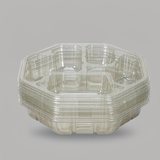





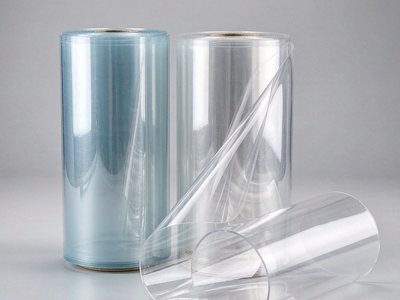


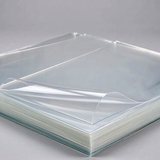


Choosing a pet sheet thermoforming supplier is a materials decision before it is a purchasing one: the sheet that feeds your former decides plug depth, wall uniformity and the share of blisters that crack along the rim, and those outcomes are fixed at the extruder long before the product reaches your line. Thermoforming-grade PET differs from general-purpose PET in exactly the properties a forming press cares about - gauge consistency, melt strength at plug temperature and clarity that survives the heat. This page covers what Chinese PET sheet suppliers produce for the thermoforming trade, the specification points that decide forming behaviour, and the commercial terms that apply to export orders.
What Thermoforming PET Sheet Covers
PET sheet is sold by grade family, and the thermoforming trade uses three of them for different jobs:
- APET (amorphous PET) - the workhorse of blister and clamshell packaging; clear, glossy, recyclable into the PET stream and formable to moderate draw ratios.
- RPET (recycled PET) - flake-derived sheet carrying post-consumer content, used where recycled content claims matter; expect slightly higher yellowness and a tighter conversation about contaminant limits.
- PETG (glycol-modified PET) - tougher and clearer than APET, forming to tighter radii; the default for premium display packaging where cracking at the corners is unacceptable.
Specification Points That Decide Forming Behaviour
Gauge Band and Thickness Range
Nominal thickness is only half the story. A 0.5 mm nominal sheet with a plus or minus 10 percent band will form thin corners and thick rims in the same part, while a tight plus or minus 4 percent band keeps plug depth consistent across the web. Thermoforming lines typically run 0.15 to 1.5 mm, and the supplier should quote the band, not just the average.
Clarity, Haze and Yellowness
For see-through packaging, clarity is a spec, not a feature. Ask for haze and yellowness index numbers, especially on RPET grades where feedstock history shows up as a cream tint. A supplier who reports haze per lot is a supplier controlling the wash and drying stages behind it.
Surface Treatment and Corona
PET forms and prints best when the surface is treated. Corona or flame treatment raises surface energy for printing and labelling, and for lid stock it decides whether a seal peel opens cleanly. Specify treatment level and re-treatment window, since the effect fades with storage time.
Commercial Terms for Export Orders
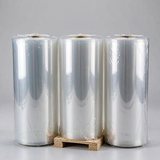
Sheet ships in rolls or flat sheets, palletised and stretch-wrapped, with moisture-barrier packaging for humid destinations. Prices are quoted per tonne by grade and gauge, with surcharges for tight gauge bands and high PCR content. MOQs start at one tonne per grade, lead times run two to four weeks, and repeat production from the same resin lot keeps yellowness and formability stable across shipments. Where the packaging touches food, recycled content in food-contact layers needs its own compliance declaration. The plastic products category indexes related supply, and the plastic recycling codes guide explains how the resin identification system behind RPET claims works.