


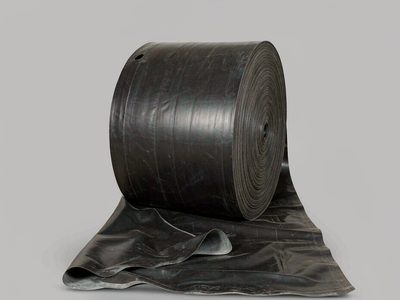

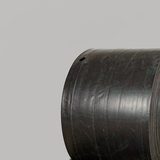
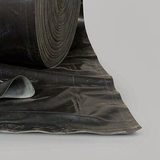
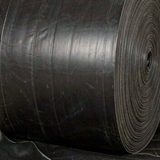

HDPE geomembrane is the containment barrier used under landfills, aquaculture ponds, mining leach pads, biogas covers and industrial water storage. It is a flexible, high-density polyethylene sheet supplied in rolls, joined on site by thermal fusion welding. The material itself is standardised; what separates suppliers is thickness control, weldability and the documentation that lets an engineer sign off the installation.
Grades and Surface Types
Most civil projects specify sheet to a recognised specification such as GRI GM13, which fixes density, tensile yield strength, tear resistance, puncture resistance and carbon black content. Within that framework, buyers choose between three surfaces:
- Smooth sheet — the default for exposed liners, covers and geometrically simple bases. Lowest cost per square metre.
- Single-sided textured — used on slopes where friction between the liner and the soil or drainage layer matters.
- Double-sided textured — specified for steep side slopes and for interfaces with geotextile or concrete.
Thickness typically ranges from 0.75 mm to 2.0 mm. Thin sheet is cheaper per square metre but demands a better prepared subgrade; thick sheet tolerates more deformation but costs more and needs more welding energy. Getting that trade-off wrong is the most common specification error on small containment projects.
What to Verify Before Ordering
- Roll width and length, plus the gross weight per roll, so lifting equipment on site is adequate.
- Thickness tolerance across the roll and along its length, not just the nominal figure on the datasheet.
- Carbon black content and dispersion, which govern UV resistance for exposed installations.
- Weld compatibility: whether the resin is formulated for hot wedge or extrusion welding, and the recommended welding window.
- Third-party test reports referencing the specification the project actually names.
Sheet extrusion quality is the foundation of weld quality. Our overview of plastic raw materials and sheet supply covers the extrusion side, and the sheet extrusion capabilities are described in this plastic sheet extrusion supplier listing.
Logistics and Site Practicalities
Geomembrane is a bulky, heavy cargo: a 1.5 mm roll at 7 m width can exceed 1,300 kg, which rules out standard container loading without proper roll cradles and lashing. Buyers should confirm roll dimensions against the container internal width, agree on roll handling at both ends, and budget for a welding technician if the installer does not have certified welders.
Because the liner is only as good as its seams, ask for weld trial samples and a destructive test plan before shipment, not after. For factory-level due diligence, see how to verify a Chinese plastic factory, and browse qualified producers in the supplier directory.
