






Product Description
OVERVIEW OF Plastic Petri Dish
PRODUCT DESCRIPTION
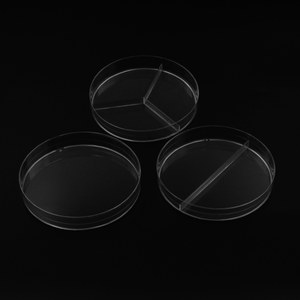
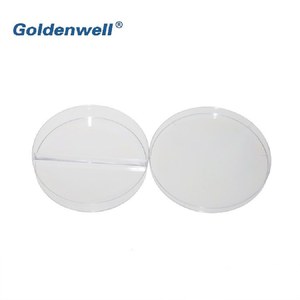
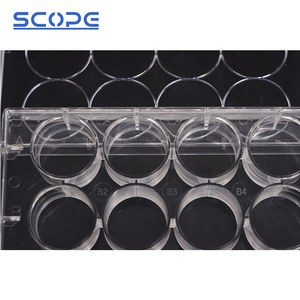
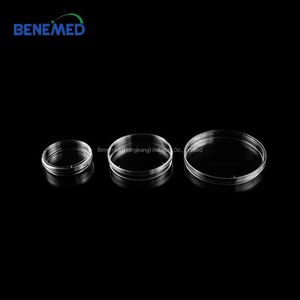
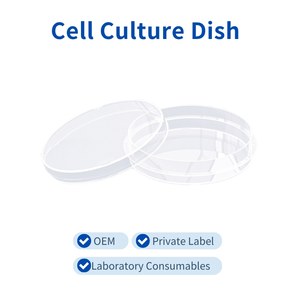
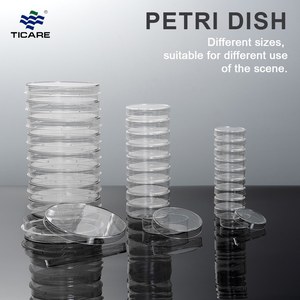
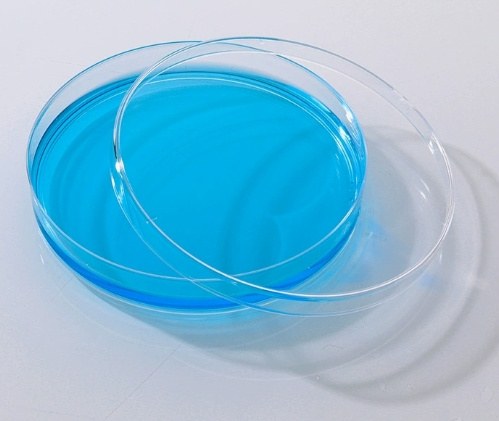
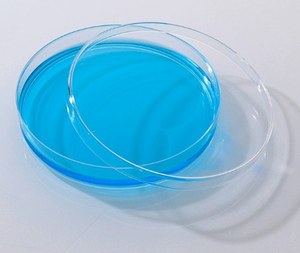
Our laboratory plastic petri dishes are professional consumables designed for microbial culture, cell cultivation, and laboratory analysis. Made of high-quality medical-grade polystyrene (PS), they feature high transparency, strict sterility, and stable performance, perfectly meeting the needs of scientific research, medical testing, food detection, and educational experiments. With multiple sizes, shapes and specifications available, they can be customized according to different experimental requirements, providing reliable support for your laboratory work. We have 7 years of professional experience in the laboratory consumables field, with strong production capacity and fast delivery, ensuring high-quality products and thoughtful service for global customers.
Details of plastic petri dish
| Name | plastic petri dish | Specification | Available in various standardsizes |
| Color | Transparent | Origin | Jiangsu, China |
| Capacity | 100MM/150MM/200MM | Trademark | IHOME COMFORT |
| Application | chemical, biological, medicallaboratories and other scientificresearch fields | MOQ | 10000PCS |
Advantages:
- High Transparency - Made of high-quality polystyrene (PS), the light transmittance is over 90%, which allows clear observation of the growth state of microorganisms and cells without affecting the experimental observation effect.
- Strict Sterility - Adopting EO (ethylene oxide) or γ-irradiation sterilization technology, each petri dish is strictly sterile, effectively avoiding cross-contamination and ensuring the accuracy of experimental results. It can be used directly after unpacking.
- Lightweight and Unbreakable - Compared with glass petri dishes, plastic petri dishes are lighter, have good toughness, are not easy to break, and avoid safety hazards caused by breakage during operation.
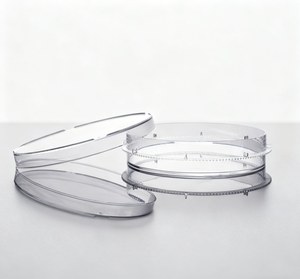
- Humanized Design - The lid and the dish body fit closely, with venting ribs to prevent condensation accumulation; the edge is smooth and burr-free, avoiding scratches during operation; stackable design saves laboratory storage space.
- Cost-Effective - Factory direct supply, no middlemen, reasonable price; disposable use, no need for cleaning and disinfection, saving experimental time and labor costs.
- Customizable - Support customization of size, thickness, compartment number, logo and packaging to meet different experimental and usage needs.
- Application:
- Scientific Research Institutes - Used for cell culture, microbial culture, genetic research, immunology experiments and other scientific research projects.
- Medical Laboratories - Applied to bacterial culture, drug sensitivity testing, clinical sample detection and other medical testing work.
- Food Testing Centers - Used for microbial detection, colony counting and food safety testing of food samples.
- Environmental Testing Institutions - Applied to the detection of microorganisms in environmental samples (such as water, soil, air).
- Biotechnology Companies - Used for cell culture, microbial fermentation and other biotechnological research and production.
- Educational Institutions - Applied to biology teaching experiments in middle schools and universities, helping students understand the growth characteristics of microorganisms and cells.
Precautions:
- Store in a cool, dry and clean environment, avoid direct sunlight, high temperature and humidity, and prevent the product from being damp or contaminated.
- Do not touch the inner surface of the petri dish with bare hands during operation to avoid cross-contamination; it is recommended to wear sterile gloves.
- The sterile petri dish should be used within the validity period; do not use it if the packaging is damaged or the sterilization is invalid.
- After use, the disposable plastic petri dish should be treated as medical waste in accordance with relevant regulations, and should not be reused to avoid pollution.
- Do not use the petri dish beyond the temperature range (-20ºC ~ 60ºC), so as not to cause deformation or damage of the product.
- When adding culture medium, avoid spilling it on the edge of the dish or the inner surface of the lid to prevent the lid from sticking and affecting the experimental effect.
PRODUCT DISPLAY
ABOUT US