





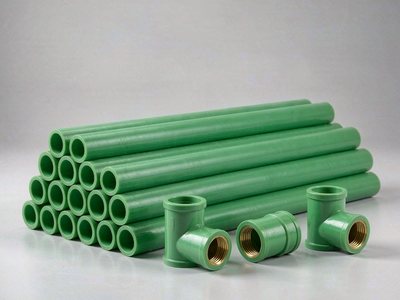


PPR pipe - polypropylene random copolymer - is the standard material for building hot and cold water systems across Asia, the Middle East and much of Europe, and working with a PPR pipe manufacturer means treating pipe, fittings and fusion parameters as one system rather than as separate line items. This page covers what the S-series numbers actually mean, which components complete a PPR installation, the test documentation a serious manufacturer supplies, and the terms that apply to export orders.
What a PPR Pipe Manufacturer Supplies
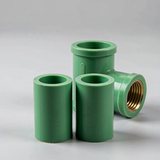
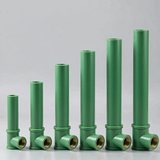
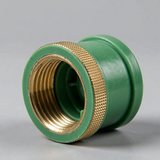
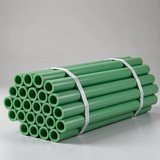
A complete quotation covers more than straight lengths. Expect pipe in S5, S4 and S3.2 wall series across 20-110 mm, socket-fusion fittings produced from the same base material, brass or composite threaded adapters for valve and fixture transitions, and the fusion tooling guidance that goes with them. Suppliers who extrude their own fittings can guarantee wall compatibility; when pipe and fittings come from different mills, ask both for the melt flow range and confirm the two compounds sit in the same window before the first joint is made.
What the PPR Pipe Series Numbers Mean
The series number describes wall thickness relative to diameter: S5 is the thinnest wall and S3.2 the thickest of the three, and pressure capability moves in the opposite direction. Because PP-R loses strength as water temperature rises, cold-water mains commonly run S5 while hot-water and recirculation lines move to S4 or S3.2. The consequence for buyers is simple: a quotation that quotes only the diameter is incomplete. Always fix pipe and fittings at the same series, and treat any mixed-series joint as a design change rather than a field decision.
Test Documentation and Order Terms
Serious manufacturers hold their pipe to ISO 15874 or the equivalent national standard and can supply batch hydrostatic test reports, the melt flow rate of the extrusion compound - typically in the 0.3-0.5 g/10 min window at 230 degrees Celsius - and the long-term hydrostatic strength data behind the series ratings. For export orders, minimums usually start around 2,000 m per size or a mixed container, lead times run 25-35 days, and pipe is bundled and capped so the bore stays clean in transit. For background on grade selection read our industrial polypropylene specifications guide, browse the plastic products category, and shortlist verified producers through the supplier directory.
