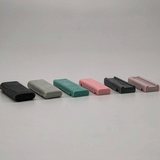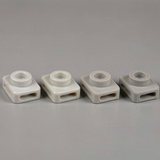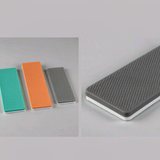






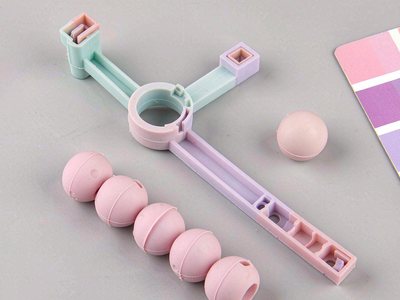


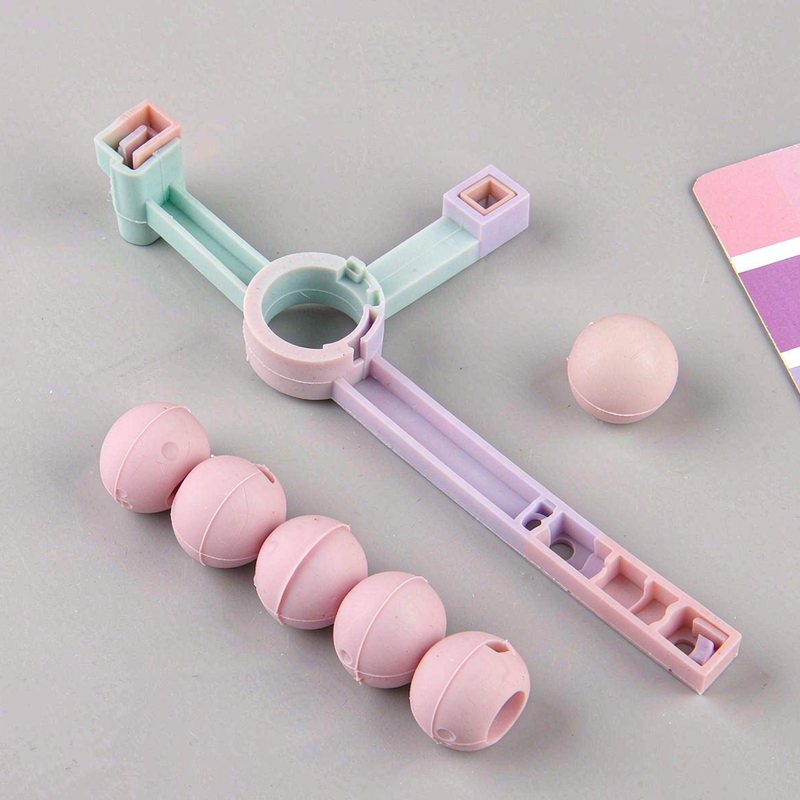

Small silicone parts look like the easiest moulding in the catalogue and are the most common source of first-article surprises. A ring that flashes at the parting line, a bead that short-shots on one cavity, a colour that matches the card in the office and not under the retail light: all three are avoidable, and all three are decided before the first shot.
We mould silicone rings, beads and discrete accessory parts for wellness, promotional and private-label programmes, with colour matched to the buyer's card and a quoted tolerance.
Why small parts flash
Flash on a small part is almost always a venting and clamp problem rather than a tool accuracy problem. A 16-cavity tool with a shallow vent traps air and forces the parting line apart under the injection pressure. The fixes are unglamorous: vent depth cut to the thinnest wall the tool will ever run, a balanced runner so every cavity fills at the same pressure, and enough clamp force for the projected area. A tool that flashes on one cavity is unbalanced; a tool that flashes on all of them is under-clamped.
Colour matching with a stated tolerance
Colour is matched against the buyer's Pantone or RAL card under the buyer's light source, with a delta-E tolerance quoted in the specification rather than assumed. Two practical points decide whether the match holds. First, translucent compounds shift more than opaque ones, so translucent programmes carry a looser tolerance by design. Second, cure affects colour, so the colour sign-off happens on parts from a full cure cycle, not on early shots from a shortened cycle.
Specification
| Part families | Rings, beads, caps, spacers, small discrete parts |
|---|---|
| Material | Platinum-cured LSR or standard silicone, food-grade on request |
| Cavitation | 8 to 16 per tool, balanced runner |
| Colour | Pantone or RAL matched, delta-E tolerance quoted |
| Surface | Gloss, matte or textured, per drawing |
| Packing | Bulk bag, polybag count or insert tray |
| MOQ | 10,000 pieces per part and colourway |
Cavitation economics
At these part sizes the cycle is dominated by handling rather than by cure, so cavitation is what makes the price. A 4-cavity tool and a 16-cavity tool differ in build cost by a fraction of the per-part price difference at volume. Programmes that start at 10,000 and grow should be quoted with the tool sized for the second-year volume, because adding cavities later means a new tool rather than an insert.
Food-grade versus standard compound
Where the accessory will contact food or skin, the compound is declared to FDA 21 CFR 177.2600 or EU 10/2011, and the plant declaration confirms the line. Where it will not, the standard compound is cheaper and the declaration is shorter. Mixing the two in one programme is quoted as two material declarations, because a single declaration that covers both is a declaration nobody can defend later.
Surface finish and release
A matte finish on silicone is moulded, not sprayed: the tool cavity is textured to the finish grade and the texture transfers. The texture also decides release. A glossy ring demoulds easily and shows every flow mark; a matte ring releases from a textured cavity but needs a draft angle checked for the texture depth, because a texture eats draft and a part can lock in the tool even when the nominal angle looks sufficient.
Packing for count accuracy
Accessory parts are sold by count, and count disputes are packing disputes. Bulk-bagged parts shift in transit and settle below the stated count; polybagged counts with a printed count per bag remove the argument at the cost of labour. Programmes with a retail pack usually quote the count-per-bag route, with the bag printed with the count and the lot so a dispute can be traced to a shift.
Related reading
Our TPE and silicone accessory components programme covers the wider component range, and the adult novelty accessories category lists the full range.