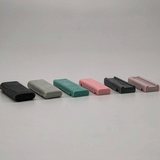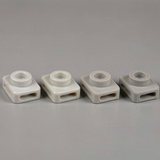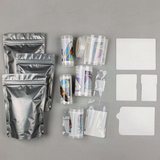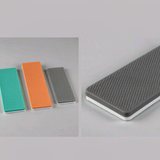







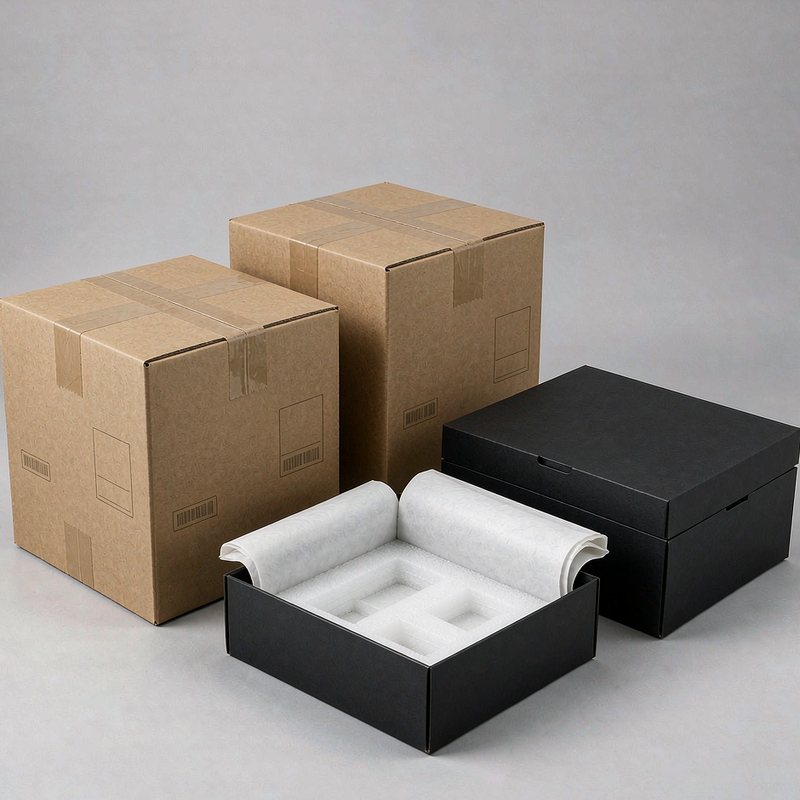

Packaging on this category is a two-layer problem. The inner layer is the brand experience: the setup box, the tissue, the card. The outer layer is logistics and discretion: a plain carton that reveals nothing, survives the hub, and carries the paperwork. Programmes that treat the two as one design usually compromise both.
We assemble blind-ship cartons and rigid setup boxes for wellness and personal care brands, with kitting and drop testing as part of the service.
What blind-ship means in practice
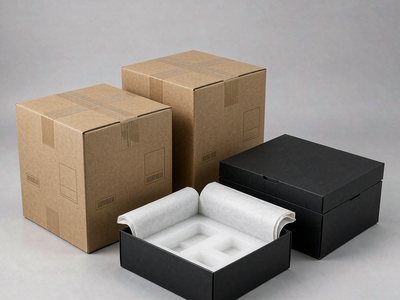
The outer carton carries no brand, no product imagery and no category language: plain kraft or white, printed only with the shipping label and the handling marks. The invoice and packing list are inside, not on the outside, and the carton dimensions are chosen so the contents cannot be inferred from the size. Where the programme ships to retail, the blind carton is a shipper and the retail pack sits inside; where it ships direct to the consumer, the blind carton is the only outer layer.
Rigid setup box assembly
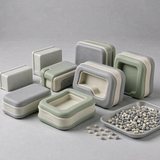
The setup box is the brand surface: a rigid board wrapped to the programme's artwork, closed with a magnet flap or a ribbon, with a foam or paper-pulp insert holding the product and an accessory card. The assembly line wraps, inserts, closes and inspects, and the inspection checks the two things that fail in transit: the magnet retention force and the insert fit, because a product that rattles in its insert arrives scuffed.
Specification
| Outer carton | Plain kraft or white, shipping label only |
|---|---|
| Setup box | Rigid board, wrap or printed cover, magnet or ribbon closure |
| Insert | EVA, foam or moulded pulp, fit-checked |
| Kitting | Product, insert, tissue, care card, documentation |
| Board | FSC-certified greyboard on request |
| Drop test | ISTA 1A or 2A, reported per programme |
| MOQ | 1,000 sets per configuration |
Kitting and documentation
A kitted pack is a small assembly operation: the product is placed, the accessory is counted, the card is inserted and the lot number is recorded against the pack. For regulated categories the pack carries a lot code that traces back to the moulding batch, which means the kitting line and the moulding line share a numbering scheme. We run the two schemes as one so a field complaint can be traced to a press and a shift rather than to a shipping date.
Printing constraints
The inner artwork follows the brand; the outer surface is constrained. No product imagery, no category language, no suggestive graphics on any surface that a hub handler or a neighbour can see. Where the programme needs branding on the inner surface only, the setup box is printed inside and out with the outer print limited to the shipping label. Artwork is approved as a physical sample before the run, because a blind-ship claim that fails at the hub is a claim that costs returns.
Drop testing before the run
Every new configuration is drop-tested to ISTA 1A or 2A before volume: the packed unit is dropped from the specified height onto the specified faces and inspected. The failure modes are predictable: the magnet flap opens, the insert compresses and the product scuffs, or the outer carton corners crush. Each is fixed in the pack, not by asking the carrier for gentler handling.
Freight and dimensions
Dimensional weight decides the landed cost of a light pack, so the carton is sized to the product with the void fill minimised rather than to a standard box. A programme that ships a small product in a standard carton pays for air on every unit; the quote includes a carton sized to the insert with the void fill reduced to what the drop test allows.
Related reading
Our moulded EVA insert kitting programme covers the insert side, and the discreet packaging category lists the full range.