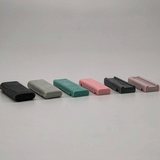







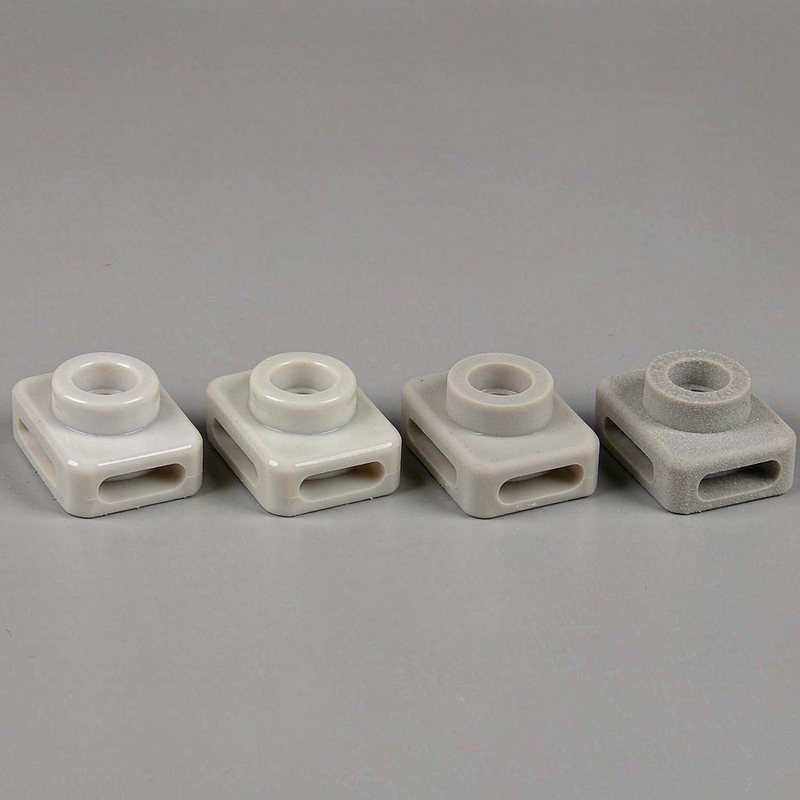

Surface finish is the most under-specified property in silicone moulding and the most visible one in the hand. A programme that approves a render approves a finish without saying so, and the first production lot arrives glossy where the sample was matte. The finish is not a coating that can be added later on silicone; it is a tool decision, made before the steel is cut, and it cannot be corrected by a process change after the fact.
We mould silicone novelty and accessory parts with specified surface finishes: gloss, matte, powder and textured, controlled at the tool and verified per lot.
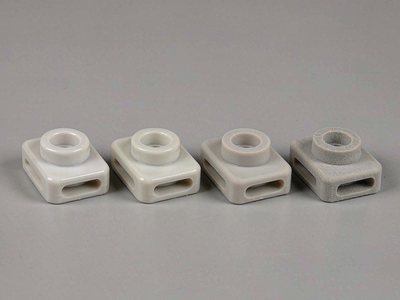
The four finishes and how each is made
- Gloss. The tool cavity is polished to a mirror grade. Cheapest to tool, shows every flow line and every ejector mark, and is the default finish nobody chose.
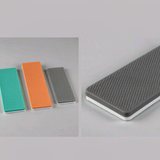
- Matte. The cavity is blasted to a specified grit, which diffuses light and hides flow lines. The grit is the specification: a 400-grit blast and a 180-grit blast are visibly different parts from the same tool.
- Powder. A finer blast plus a release regime that leaves a soft, almost velvety surface. The most requested finish in this category and the most sensitive to process drift, because the same tool that produced powder finish on Monday produces matte on Thursday if the blast media wears.
- Textured. A moulded-in pattern: fine stipple, ribbed, or a programme-specific texture etched into the cavity. Etching depth is limited by the draft, and the texture is the only finish that survives abrasion without wearing through.
Why finish cannot be added later
Silicone does not take coatings the way rigid plastics do: an over-moulded coating has to be a silicone-compatible system cured onto the part, and the adhesion is verified by tape test per lot because a coating that debonds in the hand is worse than no coating. Where a programme needs a finish the tool cannot deliver, the honest answer is a second tool with the right cavity finish, and we quote it that way rather than quoting a coating that will fail in the field.
Specification
| Gloss | Mirror-polished cavity, gloss units per agreement |
|---|---|
| Matte | Blasted cavity, grit specified, gloss ceiling stated |
| Powder | Fine blast plus release regime, velvet surface |
| Texture | Etched pattern, depth limited by draft |
| Verification | Gloss units and tape test per lot |
| Packing | Interleaved, no part-to-part contact on finish faces |
| MOQ | 5,000 pieces per part number |
Packing: the finish is the product until it ships
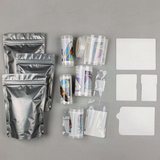
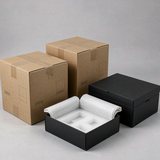
A matte or powder finish is marked by contact with another part, so the packing is part of the specification: interleaved tissue or formed trays per part, with the finish faces bagged individually where the programme is premium. Programs that pack bulk accept a scuff rate that they later discover on the shelf, and the scuff shows worst on powder finish, which is why the packing method is agreed at the quotation stage rather than at the first shipment.
Compliance and copy discipline
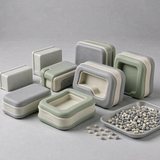
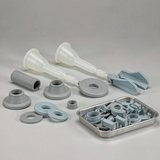
Silicone parts declare to FDA 21 CFR 177.2600 and REACH as the destination requires, and the compound declaration covers the pigment system, which is what a coloured finish part actually is. The category copy stays neutral and product-only throughout: these are accessory and novelty components, the imagery shows parts on trays, and no claim crosses into anything the programme's regulatory file does not already cover.
Related reading
Our silicone ring and bead programme covers the part family, and the accessory category lists the full range.