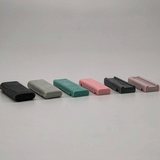







Discreet packaging is not a graphic design problem, it is a logistics problem. The buyer needs a parcel that says nothing about its contents, survives a parcel network, and can be kitted fast enough that a thousand orders a day does not become a thousand hours of hand work.
We supply neutral packaging and kitting from Xiamen for marketplace sellers and wellness brands: cartons, moulded inserts, mailers, blank labels and the labour to put it together.
What a discreet pack consists of
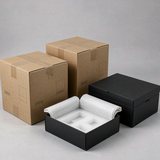
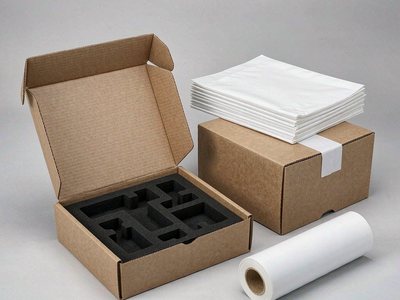
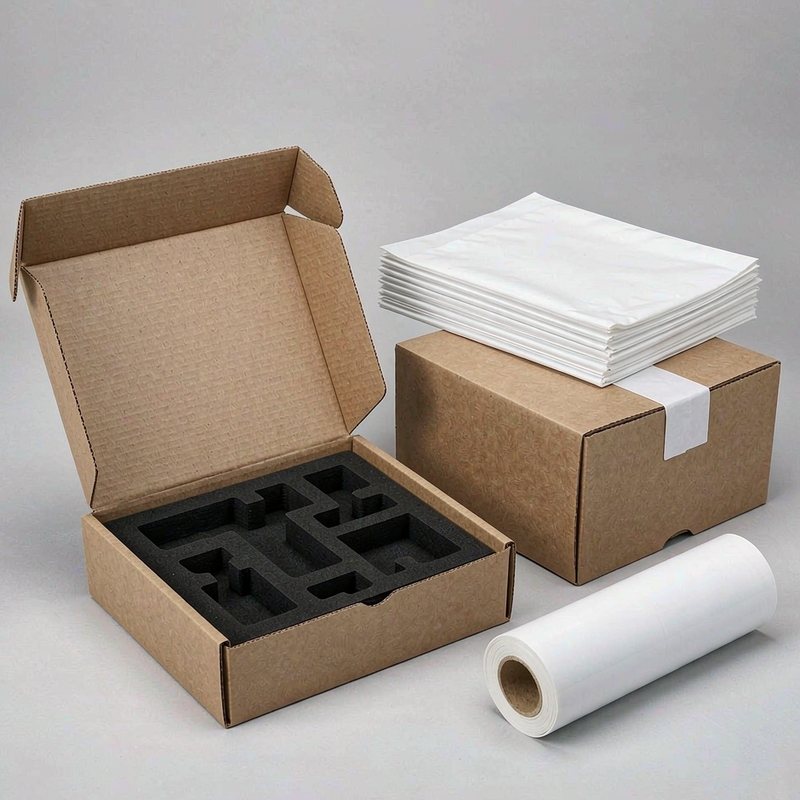
- Outer carton in plain kraft or plain white, no print beyond a shipping label
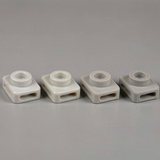
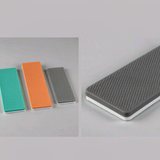
- Moulded EVA insert cut to the product shape, so the product does not rattle
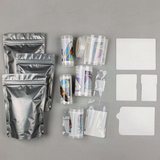
- Inner poly mailer or a plain pouch with a tamper seal
- Documentation: a generic manual with no category reference, and a blank or barcode-only label
Specification
| Carton | B-flute kraft or white, 3 or 5 ply on heavy items |
|---|---|
| Insert | EVA 40 kg/m3, moulded or die cut, black or white |
| Mailer | Plain white poly, co-extruded, tamper-evident seal |
| Label | Blank thermal stock, or barcode only |
| Kitting | Product, pouch, manual, insert, outer carton |
| Capacity | 1,000 to 3,000 kits per shift |
| MOQ | 5,000 kits |
Customs and descriptions
The customs description on the outer label is agreed with the buyer and is generic: accessory, gift or household item, never a category reference. Where a buyer sells across borders, we recommend the description be reviewed with their customs broker before the first shipment, because the wording that works in one market raises an inspection in another.
Why moulded EVA rather than bubble wrap
A moulded insert holds the product in one position, which is what prevents the damage that happens in a parcel network: the product does not move, so it cannot hit the wall. Bubble wrap is cheaper per unit and lets the product shift. For any item with a finished surface, moulded EVA pays for itself in the return rate, and it also lets a customer lift the product out without touching it, which matters for hygiene perception.
Kitting throughput
Kits are assembled on a bench line with a fixed sequence printed on the bench card, and each stage is counted rather than estimated. A mismatch between product count and insert count is the usual failure, so the insert is counted first and the product placed into the insert rather than into the carton.
Compliance
EVA and paper materials are supplied with declarations on request. Retail packaging is kept to a non-explicit standard: no printed graphics that describe the category, no product photography on the outer carton, and no brand name on the outside unless the buyer asks for it.